5 min
5 minOur eyes are one of our most important senses, allowing us to perceive the beautiful world around us and enjoy even the smallest details. But did you know that with the right vitamins and minerals, you can maintain the quality of your vision or even improve it if you have deficiencies? Read this blog and discover which nutrients play an important role in protecting against harmful influences, preventing eye diseases and maintaining sharp vision!
In this article, you will read
- Which vitamins and minerals are truly essential for healthy eyes.
- How these nutrients contribute to better vision.
- Why natural supplements are a smart choice for protecting your eyes.
- How omega-3 fatty acids, zinc and vitamin B2 help you maintain sharp vision.

1. Vitamin C
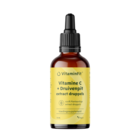
This powerful antioxidant protects your eyes against harmful free radicals, which can damage the cells in your eye and cause eye diseases such as cataracts. Vitamin C also supports the production of collagen, a protein that contributes to the structure and strength of your eyes. When taking a supplement, it is best to choose a natural form, as this ensures the best absorption. Read all about the different forms of vitamin C here.
2. Vitamin E
Together with vitamin C, vitamin E helps protect your eyes against oxidative stress. This keeps your eye cells healthy and can even help reduce the risk of age-related macular degeneration (AMD). AMD is a common eye disease that affects vision and mainly occurs in older adults, making daily activities such as reading and driving more difficult. An acceptable upper limit has been set for vitamin E intake.
3. Zinc
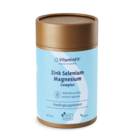
Zinc is an essential mineral for the proper functioning of your retina and helps you to maintain sharp vision, even in the dark. In addition, zinc supports the absorption of vitamin A in your body, which is essential for the production of rhodopsin (a light-sensitive pigment in the rods of the retina that is essential for low-light vision). Make sure you take the right form of zinc to ensure high absorption.
4. Vitamin B2 (riboflavin)
Vitamin B2 helps to reduce oxidative stress in your eyes, which can protect against eye diseases. Riboflavin is also important for maintaining normal vision, which helps you to see clearly. Curious about how much B2 your body needs every day?
5. Omega 3 (DHA)
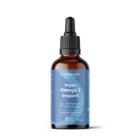
The omega-3 fatty acid DHA (docosahexaenoic acid) is an important component of the retina and plays a crucial role in maintaining good vision. In 2012, the European Food Safety Authority (EFSA) confirmed that DHA is important for retinal health and can help prevent dry eyes and reduce inflammation in the eye. Read all about omega 3 and how much you need each day here.
6. Vitamin A (Retinol)
This vitamin is a real must-have for your eyes, especially when it comes to seeing in the dark. Vitamin A plays a crucial role in the production of rhodopsin, a pigment that helps you see in low light. It also ensures a good moisture balance in the eyes, which is important for preventing dry eyes and keeping your vision sharp. Vitamin A is found in both plant and animal sources, and your liver can also convert vitamin A itself.
7. Lutein and Zeaxanthin
These carotenoids are concentrated in the retina and protect the eyes from harmful blue light. They help reduce the risk of cataracts and age-related macular degeneration (AMD), which contributes to maintaining good vision.
Natural Sources and Supplements
Although you can get many of these important nutrients from your diet, this can be difficult. The busyness of everyday life and the deterioration of the soil on which our food is grown often make it difficult to get enough nutrients from your diet. In addition, personal factors such as intestinal problems, stress, medication or other gastrointestinal complaints can reduce the absorption of nutrients in your body. That is why, in addition to the power of a healthy and varied diet, we believe in supporting your health with natural supplements.
Conclusion
So, do you want to keep your eyes sharp and clear? It's all about the right vitamins and minerals! Vitamins and minerals such as vitamins A, C, E, B2, zinc and omega-3 fatty acids are important for supporting the health of your eyes. And although you can get many of these nutrients from your diet, busy lifestyles, soil quality and personal health issues can sometimes make this difficult. Fortunately, natural supplements can be a useful addition to ensure that your eyes get what they need. That way, you can continue to enjoy every detail of the world around you!