

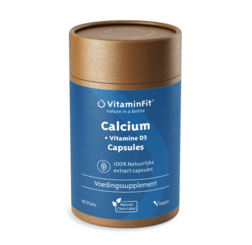
Calcium + Vitamin D3 capsules
€ 19,95
Calcium and vitamin D3 work together to promote strong bones, teeth and a healthy skeleton. ...
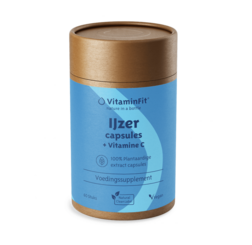
Iron Capsules
€ 19,95
High-dose iron capsules (28 mg). With added vitamin C for better absorption. Supports the p ...
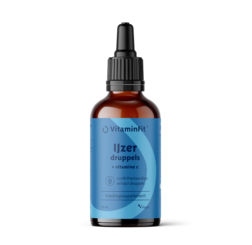
Vegan Iron drops
€ 19,95
Iron drops based on plant extracts, bioactive iron bisglycinate, enriched with vitamin C fo ...
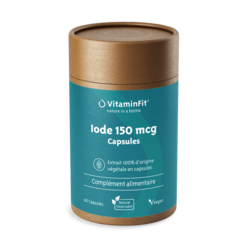
Iodine Capsules from plant-based kelp
€ 21,95
Natural iodine from kelp. Supports thyroid function, hormone production and energy metaboli ...
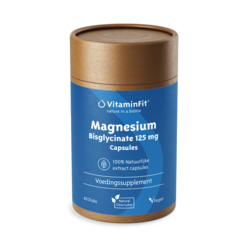
Magnesium Bisglycinate 125 mg
€ 18,95
Magnesium Bisglycinate (125 mg) in biologically active form. Supports the nervous system, e ...
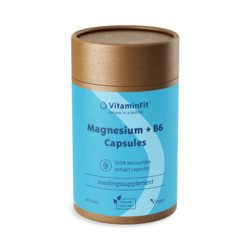
Magnesium citrate with vitamin B6
€ 18,95
Easily absorbable bioactive magnesium citrate with vitamin B6. Supports muscles, nervous sy ...
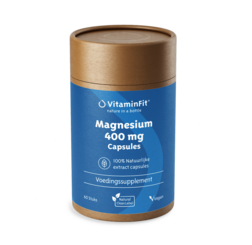
Magnesium citrate 400 mg capsules
€ 18,95
High-dose magnesium in easily absorbable citrate form. Supports muscles, nervous system and ...
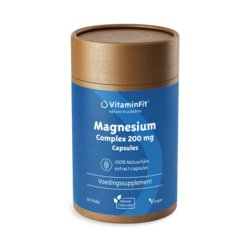
Magnesium Complex 200 mg
€ 19,95
Powerful combination of three easily absorbable forms of magnesium with high bioavailabilit ...
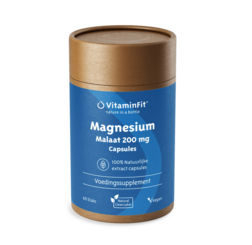
Magnesium Malate 200 mg
€ 18,95
Magnesium Malate in biologically active form, with vitamin B6. Supports muscles, bones, ene ...
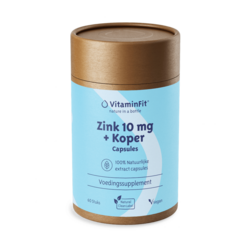
Zinc + Copper Capsules
€ 19,95
High-quality combination of zinc (10 mg) and copper in bioactive and easily absorbable form ...
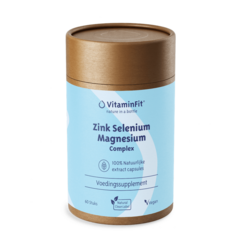
Zinc Selenium Magnesium Complex
€ 19,95
Three essential minerals in one supplement. Complete formula for skin, hair and nails. Supp ...
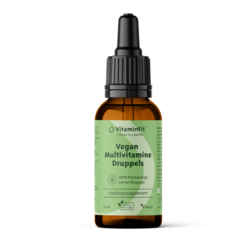
Multivitamin complex Drops
€ 18,95
Plant-based blend of natural vitamins and minerals for resistance and energy. Helps with fa ...
- 100% plant based vitamins
- Delivery within 1 to 2 working days
- Vanaf 45 euro gratis verzending
Vegan Multivitamin + D3 Drops
€ 24,45
Powerful blend of 100% plant-based and natural vitamins and minerals, enriched with vitamin ...
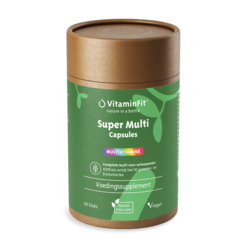
Super Multivitamin Capsules
€ 39,90
Superior plant-based multivitamin with bioactive vitamins, minerals and 30 fruit and vegeta ...
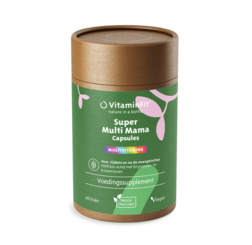
Super Multi Mama Capsules
€ 39,90
Multivitamin specially developed for women who wish to conceive, during pregnancy and while ...
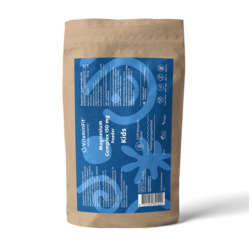
Magnesium Complex Kids Powder
€ 21,95
New! Magnesium Complex Kids Powder specially developed for children. Dissolves easily in w ...
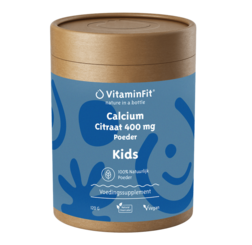
Calcium powder for children
€ 19,95
New! Children's Calcium Powder with easily absorbable, bioactive calcium citrate, gentle on ...
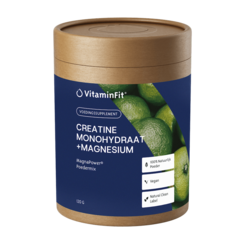
Creatine monohydrate + magnesium powder
€ 29,95
High-quality Creatine Monohydrate with bioactive magnesium citrate & phosphate. This unique ...
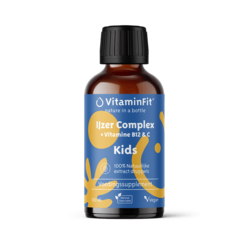
Iron Complex + Vitamin B12 and C Kids
€ 26,95
Iron Complex Kids drops with highly absorbable iron bisglycinate, enriched with vitamin B12 ...
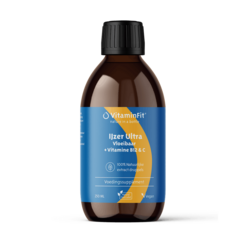
Iron Ultra + Vitamin B12 and C
€ 34,95
Iron Ultra with highly absorbable and high-dosed iron bisglycinate, with vitamin C and B12 ...

Natural minerals and trace elements
Vitamins and minerals are often mentioned in the same breath, but do you know the difference between them? And what are trace elements?
Vitamins, minerals and trace elements are all nutrients that we obtain from our food and drink. The difference between them is chemical.
Vitamins originate from living nature, such as plants and animals, while minerals come from dead nature and are absorbed by plants from the earth and by animals from food or water.
There are 13 different types of vitamins: vitamins A, B1, B2, B3, B5, B6, B8, B11, B12, C, D(3), E and K. Important minerals include calcium, magnesium, potassium, sodium, chloride and phosphorus.
Trace elements are minerals that we only need in small amounts in our bodies. These include iodine, iron, copper, zinc, selenium, molybdenum, manganese and chromium.
Minerals are found in small quantities in our food. Our bodies do not produce them themselves. However, we need them every day so that our bodies can function optimally. A varied, healthy diet is therefore important for a good supply of minerals. Minerals are needed as building blocks for the growth and repair of the skeleton and body tissues. Some minerals are needed in very small amounts, which are referred to as trace elements.
Important minerals and trace elements
The most well-known and important minerals and trace elements in our diet are: calcium, sodium, magnesium, potassium and phosphorus, iron, zinc and iodine.
Calcium: ensures both the development and maintenance of our teeth and bones. It helps to prevent osteoporosis. Calcium is also important for the proper functioning of the nerves and muscles.
Sodium: has a similar function in the body to potassium. It ensures a good fluid balance and blood pressure. Sodium is mainly found in salt.
Magnesium: important for the formation of our bones and muscles. Sufficient magnesium also allows the body to transmit stimuli to the muscles.
Potassium: regulates both fluid balance and blood pressure in the body. Potassium also ensures that muscles can contract, for example.
Phosphorus: like calcium, phosphorus ensures healthy bones and teeth. It does this by providing strength.
Iron: contributes to the production of red blood cells and haemoglobin and helps combat fatigue.
Zinc: supports the immune system and plays a role in maintaining strong and flexible muscles.
Iodine: plays a role in growth, the development of the nervous system and metabolism.
In short, minerals are important for healthy bones and teeth (calcium and phosphorus), muscles (magnesium), a good fluid balance and healthy blood pressure (potassium, sodium and chloride). Trace elements are important for the development of our nervous system (iodine), the transport of oxygen through our body (iron), the formation of connective and bone tissue (copper), a healthy immune system (zinc) and proper thyroid function (selenium).
How can I ensure I get enough minerals every day?
If you eat a healthy and varied diet, you should not be deficient in most minerals and trace elements. This applies to magnesium, sodium, chloride, phosphorus, copper, zinc, selenium, molybdenum, manganese and chromium.
However, there are groups of people who have an increased risk of iron deficiency, for example. Because iron is mainly found in meat and fish, adults who follow a vegan diet are at risk of deficiency. Babies older than 6 months and growing children are also susceptible to iron deficiency.
If you do not eat dairy products, you may develop a calcium deficiency. You can also develop a potassium deficiency if your fluid balance is severely disrupted, for example after severe vomiting or diarrhoea. Trace elements that you may be deficient in are iron, which is particularly common in pregnant women, and iodine.
Incidentally, you cannot consume too much of most minerals and trace elements, except for sodium and chloride (salt), which can cause high blood pressure. An excess of magnesium can cause diarrhoea. An excess of manganese can cause motor and psychological complaints, but this is rare in the United Kingdom, according to the Nutrition Centre.
Mineral supplements from VitaminFit
Our range of minerals consists of capsules and drops. In addition to the single minerals magnesium, calcium and iron, our webshop also offers the multiple minerals zinc and selenium. A zinc-selenium supplement is effective for the immune system. In addition, zinc and selenium together contribute to the protection of cells against oxidative damage and to male fertility, among other things.
A second supplement combination in our range is magnesium with vitamin B6. Vitamin B6 is more effective when taken together with magnesium. Together, they ensure, among other things, normal functioning of the muscles, proper functioning of the nervous system and play a role in the cell division process.
Frequently asked questions about minerals
Can I develop a mineral deficiency?
Yes, but if you eat a healthy and varied diet, you will get enough of most minerals and trace elements. This applies to magnesium, sodium, chloride, phosphorus, copper, zinc, selenium, molybdenum, manganese and chromium. Depending on your diet and lifestyle, dietary supplements can be a useful addition.
Endurance athletes and people who experience a lot of stress, for example, can benefit from extra magnesium to prevent a deficiency. And there are groups that are more at risk of iron deficiency than others.
Which minerals are good for the immune system?
The minerals iron, copper, selenium and zinc all play a role in keeping the immune system strong. In addition to minerals, vitamins are also important for a healthy immune system. You can find more information about immune system vitaminshere.
Can I promote the absorption of minerals?
By taking minerals in combination with vitamins, you can promote the absorption of some minerals. For example, the body absorbs iron better in combination with vitamin C, and the absorption of calcium is promoted in combination with vitamin D.
Can I also consume too many minerals?
You cannot consume too much of most minerals, except for sodium and chloride (salt), which can cause high blood pressure. Minerals are only found in small amounts in our diet.
Do you have another question? We are happy to help you via our online chat.