5 Min
5 MinToddlers and preschoolers grow and develop at a rapid pace, and nutrition plays an important role in this. A healthy diet is essential to ensure that your toddler or preschooler gets all the nutrients they need! This includes not only sufficient protein, carbohydrates and fats, but also vitamins and minerals, which are part of a balanced diet.
As a parent, it is important to understand which vitamins and minerals your toddler needs and why. That is why our experts have developed a Vitamin Guide, in which we list the most important vitamins and minerals for you!
In this article, you will read
- Why vitamin D is so important for strong bones
- How vitamin C helps your child stay healthy and resilient
- The role of vitamin B12 in energy and concentration
- Why omega-3 fatty acids are essential for a healthy heart and a sharp mind
- How iron contributes to energy and a good memory
- Why multivitamins can be a useful supplement
- What calcium does for strong bones and teeth
- How vitamin A ensures healthy eyes and glowing skin

Toddlers and preschoolers make enormous leaps in their growth, development and learning ability in a short period of time. During this phase, their bodies need a lot of nutrients to properly develop bones, muscles, brains and the immune system. Although a varied diet forms the basis, it can sometimes be difficult to get all the important nutrients daily through food, especially with fussy eaters.
These vitamins and minerals are especially important for toddlers and preschoolers:
1. Vitamin D for strong bones
Vitamin D3 is very important for toddlers and preschoolers because their bodies are growing rapidly:
- It contributes to the growth and development of strong bones and teeth
- Supports the absorption of calcium and phosphorus in the body
- Plays a role in healthy cell growth
- Helps the immune system to function properly
How much vitamin D?
The most important source of vitamin D is sunlight. However, because there is less sunlight in the winter months, the Nutrition Centre recommends giving children up to 4 years of age a daily supplement of 10 micrograms of vitamin D. This recommendation applies regardless of what your child eats!
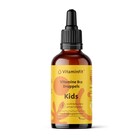
Take a look at our Vitamin D3 drops for children.
2. Vitamin C for a strong immune system
Vitamin C is a water-soluble vitamin that is best known as the “immune vitamin”. Toddlers and preschoolers cannot produce this vitamin themselves, so nutrition is very important in ensuring they get enough vitamin C!
Vitamin C plays an essential role in:
- Promoting healthy teeth, cartilage and skeleton
- Contributing to the condition of their blood vessels
- Supporting the development of strong vessel walls
- Acting as an anti-inflammatory antioxidant
In short: plenty of reasons to ensure your child gets enough vitamin C!
How much vitamin C?
Recommended daily allowance for babies, toddlers and children:
- From 6-11 months: 20 mg
- From 1-2 years: 25 mg
- From 2-5 years: 30 mg
Vitamin C is found in foods such as citrus fruits, strawberries, kiwis and peppers. Does your child have trouble eating fruit and vegetables? Or does your child often have low resistance? Then a vitamin C supplement is a great addition! Take a look at our Vitamin C drops for children.
3. Vitamin B12 for fitness
Vitamin B12 is important for children because it plays a role in their growth, energy and development.
- Helps in the production of red blood cells
- Is good for concentration
- Is good for fatigue and tiredness
- Supports the immune system
How much vitamin B12?
Recommended daily allowance for babies, toddlers and children:
- From 0-6 months: 0.4 mcg
- From 6-11 months: 0.5 mcg
- From 1-3 years: 0.7 mcg
- From 4-8 years: 1.3 mcg
Vitamin B12 is mainly found in animal products, such as meat, fish, eggs and dairy products. For toddlers/preschoolers who eat little to no animal products, it is important to find alternative sources of vitamin B12, such as fortified foods or supplements.
Sometimes a dairy-free diet can lead to a vitamin B12 deficiency, because there are insufficient other sources of this vitamin. Sufficient vitamin B12 is important for growth and development. Therefore, take a look at our Vitamin B12 drops for children.
4. Omega-3 for a healthy heart
Omega-3 fatty acids, particularly EPA and DHA, are essential for your child's development. Omega-3 contributes to:
- Heart function
- Vision
- Brain development
How much omega-3?
Guidelines for babies, toddlers and children:
- Babies/toddlers 7 months* to 1 year: 100 mg DHA
- Children from 2 years: 250 mg EPA + DHA total
These fatty acids are found in oily fish such as salmon, mackerel and tuna. If your child does not eat fish or if you are concerned about their intake of omega-3 fatty acids, an omega-3 supplement can provide good support. Make sure your little one gets enough omega-3.
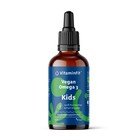
Take a look at our omega-3 for babies or omega-3 for children..
5. Iron for fitness and memory
Iron is not a vitamin, but a mineral. This mineral is very important for toddlers and preschoolers:
- It contributes to the production of red blood cells
- It contributes to oxygen transport in the body
- It helps with fatigue and memory
- In addition, toddlers and preschoolers need iron for their growth and cognitive development
How much iron?
The recommended daily allowance for children aged 1-5 is 8 mg of iron per day.
Foods such as meat (red meat contains more iron than white meat), poultry, fish, beans and whole grains are good sources of iron. If your toddler/preschooler follows a diet that is low in iron, such as a vegetarian or vegan diet, an iron supplement is a good support. Recognise and prevent iron deficiency and ensure the right supplement.
Take a look at our Iron drops for children.
6. Multivitamins for a healthy immune system
A multivitamin is a convenient way to give your toddler/preschooler a large portion of the 13 essential vitamins (and minerals). This can be particularly beneficial during periods when your child needs extra support, such as when they are a fussy eater or have a low immune system. A good multivitamin contains important nutrients, including various vitamins and minerals that contribute to a healthy immune system, resistance, and the growth and development of your child.
Pay close attention to the dosages for children when giving your toddler or preschooler a multivitamin supplement. Otherwise, there is a chance that your child will consume too much. That is why it is important to understand what your toddler or preschooler needs before introducing a supplement.
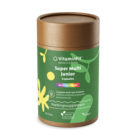
Take a look at our multivitamins. Here you will find multivitamins for adults as well as multivitamins specially formulated for children.
7. Calcium for strong bones
Calcium has various functions in your child's body:
- Plays an important role in blood clotting
- Is involved in nerve impulse transmission
- Together with magnesium, ensures that the muscles (including the heart muscle) function properly
- Ensures good bone density when there is sufficient calcium in the body
How much calcium?
Recommended daily allowance for babies, toddlers and children:
- From 6-11 months: 450 mg
- From 1-3 years: 500 mg
- From 4-8 years: 700 mg
Dairy products such as milk, yoghurt and cheese are excellent sources of calcium. If your toddler/preschooler is lactose intolerant or cannot tolerate dairy products, it is important to give them calcium-enriched alternatives, such as almond or soya milk.
Is your toddler not getting enough calcium from their diet? Then a calcium supplement is a good addition.
8. Vitamin A for eyesight
Vitamin A is also known as the anti-infection vitamin and is especially important for the immune system. But that's not all:
- It contributes to the condition of the eyes
- It ensures healthy skin and mucous membranes
- It maintains good iron levels in the blood
- It contributes to bone development and normal growth
How much vitamin A?
Recommended daily allowance for babies, toddlers and children:
- From 6 months to 3 years: 300 mcg
- From 4-8 years: 350 mcg
In addition, the EFSA has set a daily upper limit for vitamin A:
- From 1-3 years: 800 mcg
- From 4-6 years: 1100 mcg
It is found in foods such as dairy products, fish, meat (pâté, liver sausage), cabbage, sweet potatoes, yellow and orange fruits and vegetables (carrots, mandarins, oranges, pumpkin) and dark green leafy vegetables. Butter and margarine also contain vitamin A. Vitamin A can be found in our multivitamin drops, among other things.
Good to know
A balanced diet with varied nutrition, including vitamins and minerals, is important to ensure that your toddler/preschooler gets all the nutrients they need for healthy growth and development.
However, certain eating patterns, fussy eaters or a reduced immune system can lead to deficiencies. Supplements are a great way to prevent these deficiencies.