1 min
1 minCopper: a mineral that is less well known to the general public, but nevertheless very important for health. To ensure that you get enough copper, it is important to know where to find this trace element.
That is why we discuss the various dietary sources of copper in this blog.
In this article, you will read
- What copper is exactly and why it is important for your body
- Which foods contain copper
- Tips for maintaining a good balance in your copper intake
Why does your body need copper?
Copper is an essential trace element that helps in the formation of red blood cells, supports the immune system, and plays a role in energy production in your cells.
A lack of copper can lead to fatigue, a weak immune system, and impaired iron absorption in your body. Adults need about 0.9 mcg of copper per day.
Fortunately, copper is found in various foods, so a varied diet will go a long way. If you are at risk of a deficiency, it is a good idea to consider taking a supplement.
Where can you find copper?
Copper is found in both animal and plant-based foods:
- Shellfish
Shellfish such as oysters and mussels are excellent sources of copper. One serving of shellfish can cover most of your daily copper requirement. Oysters contain 4.8 mg of copper per 85 grams, and mussels contain approximately 1.5 mg of copper per 85 grams.
- Red meat
Red meat such as beef and lamb are good animal sources of copper, and they also contain protein and iron, which supports the absorption of copper. Beef liver contains approximately 12 mg of copper per 85 grams.
- Nuts and seeds
Cashews, almonds, and sunflower seeds contain significant amounts of copper and fit well into a healthy, plant-based diet. Cashews contain 0.6 mg of copper per 28 grams, while sunflower seeds contain 0.5 mg of copper per 28 grams.
- Beans and legumes
Lentils, chickpeas, and other legumes provide copper and are also a good source of fibre and plant-based protein, contributing to a balanced diet. Lentils provide about 0.5 mg of copper per 100 grams, and chickpeas contain about 0.4 mg per 100 grams.
- Whole grains
Oatmeal, quinoa, and wholemeal bread are grain products that contain copper. Try to include them regularly in your breakfast or lunch for an extra boost. Oatmeal provides 0.4 mg of copper per 100 grams, and quinoa contains about 0.3 mg of copper per 100 grams.
- Dried fruit
Prunes, apricots, and raisins contain copper and are also useful as healthy snacks. Prunes contain 0.2 mg of copper per 40 grams, and apricots contain approximately 0.1 mg per 40 grams.
- Dark chocolate
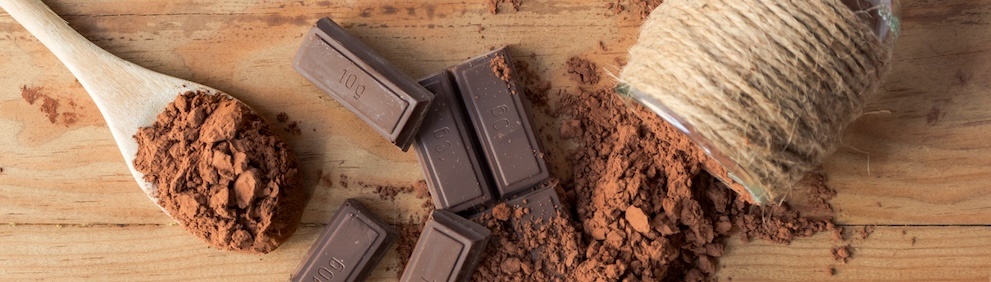
Good news for chocolate lovers: dark chocolate contains not only antioxidants, but also copper. However, enjoy it in moderation! Dark chocolate provides 1.8 mg of copper per 100 grams.
The importance of balance
It is essential to maintain a balanced diet to get enough copper. While copper is important for health, it is also important not to consume too much copper. Adults can safely consume up to 5 mcg per day.
Conclusion
Copper may not be the best-known mineral, but it is an important part of a healthy diet. A varied diet including shellfish, nuts, legumes and whole grains will easily provide you with enough copper. So continue to enjoy all these healthy options! If you are at risk of a deficiency, it is a good idea to consider taking a supplement.