1 min
1 minThe immune system: your natural defence against pathogens and infections. However, a healthy immune system does not come easily. Some substances, such as minerals, are essential but cannot be produced by the body itself. Zinc is one of these minerals. In this blog, we will take a closer look at the role of zinc in our immune system:
Zinc as support for your immune system
Zinc is a powerful player when it comes to immunity. It is involved in various aspects of the immune response, including:
- Immune cell development: zinc is necessary for the production, development and function of immune cells, such as T cells and natural killer cells. These cells play a role in detecting and eliminating pathogens.
- Inflammation regulation: zinc helps control inflammatory responses in the body. A good inflammatory response is essential for effective immune function.
- Antioxidant protection: zinc acts as an antioxidant and protects cells from damage caused by free radicals. This is important for keeping your immune cells healthy.
- Barrier function: Zinc supports the integrity of the skin and mucous membranes, which act as barriers against pathogens. Healthy skin and mucous membranes are essential for keeping infections at bay.
Zinc deficiency and immunity
A zinc deficiency can lead to a weakened immune system and an increased risk of infections. Signs of zinc deficiency include:
- frequent colds
- respiratory infections
- slow wound healing
- fatigue
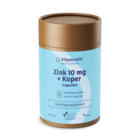
We can obtain zinc from our diet. Do you have a zinc deficiency? Then zinc supplements are recommended.
There are several reasons why you don't want to be zinc deficient.