5 min
5 minZinc is one of the essential minerals that your body desperately needs, but which you may not think about very often. It is an important component of many enzymes that help you function properly, from building proteins to strengthening your immune system. But where is zinc actually found? What happens if you don't have enough, and when is it necessary to take a supplement? In this article, you will discover everything about zinc and how it affects your health.
In this article, you will read
- What is zinc and why do you need it?
- The different types of zinc
- Which foods are rich in zinc
- What happens when you have a zinc deficiency or excess
- How much zinc you need every day
- When you might consider taking a zinc supplement

What is zinc and why is it important?
Zinc is a trace element that helps your body with hundreds of processes. For example, zinc is involved in the functioning of at least 200 enzymes in the body, it ensures the building of proteins, the renewal of tissues, and is important for a properly functioning immune system. Zinc protects your cells from damage caused by free radicals and even helps ward off harmful metals such as lead and mercury. When it comes to immunity and defence, zinc is a powerful player.
Forms of zinc
Did you know that there are different types of zinc? These are the most common forms:
- Inorganic zinc compounds: zinc oxide, zinc carbonate and zinc sulphate
- Organic zinc compounds: zinc methionine, zinc bisglycinate, zinc histidine, zinc sulphate, zinc gluconate, zinc citrate, zinc orotate and zinc picolinate.
The organic forms are natural forms and are often better absorbed by your body. For example, zinc bisglycinate and zinc histidine have high bioavailability, meaning that these types of zinc are among the best absorbed by the body.
Zinc in food
Zinc is found in various foods, especially in shellfish such as oysters. Meat, cheese, nuts and whole grain productsalso contain zinc. Vegetarians and vegans may find it more difficult to meet their zinc requirements because plant-based foods contain less zinc or are more difficult for the body to absorb.
Zinc deficiency: what happens?
A zinc deficiency can lead to all kinds of complaints, such as:
- Hair loss and skin problems such as acne
- Reduced fertility
- Reduced sense of smell and taste
- Fatigue and night blindness
- Depressive feelings and irritability
Zinc also plays a role in the growth and development of children, so sufficient zinc is also important for them.
Zinc surplus: is that possible?
It is almost impossible to consume too much zinc through food, but it can happen with excessive use of zinc supplements. An excess of zinc can cause stomach and intestinal complaints. So be careful with high-dose supplements (if you do not have a deficiency) and stay below the acceptable upper limit described below.
Recommended amount
Recommended daily amount for adults:
- Adult women: 7 mg
- Pregnant women: 9.1 mg
- Breastfeeding women: 9.9 mg
- Adult men: 9 mg
Recommended daily amount for babies, toddlers and children:
- From 6-11 months: 5 mg
- From 1-2 years: 5 mg
- From 2-5 years: 6 mg
- From 6-9 years: 7 mg
- From 10-13 years (boys): 11 mg
- From 10-13 years (girls): 8 mg
- From 14-17 years (boys): 12 mg
- From 14-17 years (girls): 9 mg
In addition to a recommended amount, an acceptable daily upper limit has also been set:
- From 1-3 years: 7 mg
- From 4-6 years: 10 mg
- From 7-10 years: 13 mg
- From 11-14 years: 18 mg
- 15-17 years: 22 mg
- Adults: 25 mg
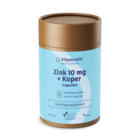
Need a zinc supplement?
Our soil contains less and less zinc, which means that the amount of zinc in our food is also decreasing. This is leading to more and more zinc deficiencies. In addition, intestinal diseases such as ulcerative colitis and Crohn's disease, anaemia and diabetes can cause zinc deficiency. Do you recognise the symptoms of zinc deficiency? Are you breastfeeding or pregnant? Do you follow a vegetarian or vegan diet? If so, a zinc supplement could be the solution. In addition, skin conditions such as acne can possibly be remedied with zinc.