4 min
4 minMagnesium is an essential mineral involved in hundreds of processes in your body, from energy production and muscle relaxation to supporting your nervous system and bone health. Yet many people do not get enough magnesium from their diet every day. Fortunately, this mineral is found in all kinds of everyday products. In this article, you will discover which foods are rich in magnesium and how you can easily add more of this important mineral to your diet.
In this article, you will read
- Why magnesium is important for your body
- What the best sources of magnesium are
- How much magnesium you need every day
- What influences magnesium absorption
- When a magnesium supplement can be useful

What is magnesium?
Magnesium is a mineral found in almost every cell in your body. It plays an important role in more than 300 bodily processes. Magnesium helps maintain strong muscles and healthy bones, supports your nervous system and is important for energy production. Magnesium is also a superhero for healthy growth in children! In addition, this mineral regulates the calcium, copper, zinc, potassium and vitamin D levels in the body.
How much magnesium does your body need?
The recommended daily intake of magnesium for an adult woman is around 300 milligrams, and for men it is slightly higher, at around 350 milligrams. These amounts may vary depending on age, pregnancy, breastfeeding and physical activity. Emotional or physical stress also increases consumption.
A magnesium deficiency can cause fatigue and listlessness, among other things. Because your body cannot produce magnesium itself, you must obtain it from your diet.
Where is magnesium found?
Magnesium is a mineral found in many foods, but it is particularly concentrated in nuts, seeds, green leafy vegetables, whole grains and legumes. Dairy products, fish and meat also contain magnesium, but often in slightly lower amounts.
Foods containing magnesium
Curious about which foods are richest in magnesium? Below, we list the 8 best sources for you:
- Nuts and seeds: A handful of nuts a day is a smart choice for a magnesium-rich snack. Nuts such as walnuts, Brazil nuts, hazelnuts and almonds not only provide magnesium, but also healthy fats, fibre and protein that contribute to a feeling of satiety and a healthy heart. Preferably choose unroasted and unsalted nuts to avoid unnecessary additives.
Seeds such as chia, flax and pumpkin seeds are also excellent sources of magnesium and also contain omega-3 fatty acids and antioxidants. You can easily add these to yoghurt, smoothies or salads for a nutritious boost. - Legumes: Legumes are powerhouses when it comes to magnesium and protein, and are a fantastic source of plant-based protein. Think of chickpeas, lentils, (soy) beans and peas. They are versatile: you can add them to salads, soups or stews, but also process them into spreads such as hummus or a delicious lentil pâté. By eating legumes regularly, you not only increase your magnesium intake, but you also benefit from fibre, which is good for your digestion.
- Whole grain products: Whole grain cereals are not only rich in fibre, but also in magnesium. For example, a 60-gram serving of cooked whole grain pasta contains about 29 milligrams of magnesium, and a 35-gram slice of whole grain bread provides about 19 milligrams. Choose whole grain varieties of bread, pasta, rice and couscous more often to increase your magnesium intake. Eating whole grain products also helps stabilise blood sugar levels and contributes to healthy gut flora.
- Leafy vegetables: Green leafy vegetables are rich in magnesium. These include endive, kale, turnip greens and spinach. A large spoonful of cooked spinach (50 grams) provides about 39 milligrams of magnesium. It also contains manganese, iron and vitamins A, C and K. A nice bonus, right?
- Avocado: Avocados are not only deliciously creamy and versatile, they are also a valuable source of magnesium. A medium-sized avocado contains about 58 milligrams of magnesium. They are also rich in monounsaturated fats, which are good for your heart, and contain important minerals such as potassium, plus vitamins B and K. Avocado is ideal as a spread on bread, in smoothies, or as a base for a healthy dip such as guacamole.
- (Raw) cocoa: Raw cocoa is an excellent source of magnesium. You can choose between raw cocoa powder or cocoa nibs. If you prefer dark chocolate, always go for a variety with at least 85% high-quality cocoa, such as organic or Fairtrade chocolate. In addition to magnesium, raw cocoa is also packed with antioxidants, making it a real win-win.
- Seaweed: Seaweed not only contains a lot of magnesium, but also valuable proteins. You can eat seaweed on its own, but nowadays it is also available as spaghetti or noodles. In addition, chlorella and spirulina are powerful sources of magnesium, often available as tablets or powder.
- Bananas: Bananas are also rich in magnesium and an easy way to supplement your daily requirement of this mineral. They are also a convenient and nutritious snack for on the go.
Magnesium absorption
The amount of magnesium your body absorbs from food can vary greatly, usually between 20 and 60 percent. Interestingly, the more magnesium a food contains, the less your body absorbs. Calcium can also reduce magnesium absorption.
In addition, the substance phytate plays an important role; it can reduce the absorption of magnesium. Phytates, also known as phytic acid, are natural substances that occur mainly in the outer layers of grains, seeds, nuts and legumes. However, phytates can have an adverse effect on the absorption of minerals such as magnesium, calcium, iron and zinc in humans. This is because phytates can bind to these minerals in the intestines, making them less easily absorbed by the body. Certain preparation methods, such as soaking, sprouting and fermenting, reduce the phytic acid content and thus improve the absorption of minerals.
When to choose a supplement?
A magnesium supplement can be useful if you do not get enough magnesium through your diet, and for example if you have an increased need due to stress, intensive physical exertion, pregnancy or certain health complaints such as muscle cramps and fatigue. People who consume a lot of caffeine, alcohol or certain medications can also benefit from extra magnesium. In addition, due to depletion, our modern soil often contains less magnesium than it used to, which can make it more difficult to obtain sufficient magnesium from food.
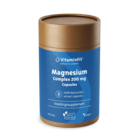
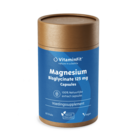
When using a supplement, always choose an easily absorbable form, such as magnesium bisglycinate, magnesium citrate or magnesium malate. These organic forms are better absorbed by the body and are less likely to cause stomach problems or have a laxative effect than less easily absorbable (inorganic) forms such as magnesium oxide.
Read our article when to take magnesium for best results.
Conclusion
Magnesium is an essential mineral that plays a role in numerous bodily functions, from muscle relaxation to energy metabolism. Because our food and soil often contain less magnesium these days, it can be difficult to always get enough. By consciously choosing magnesium-rich foods and, if necessary, a well-absorbable supplement, you can optimally support your body and prevent symptoms caused by a deficiency.
Are you finding it difficult to discover which form of magnesium is best for you? Start our Magnesium selection guide or send us a message, we are happy to help!