3 min
3 minVitamin D is more than just a vitamin – it is also a hormone that plays a key role in your health. From strong bones to a healthy immune system, this vitamin does it all. In this article, you will discover everything about vitamin D, from what it is to how to ensure you get enough of it.
In this article, you will read
- What vitamin D is exactly
- Which foods contain vitamin D
- What a vitamin D deficiency or excess does to you
- How the sun contributes to your vitamin D production
- Who needs extra vitamin D
- How best to take vitamin D
What is vitamin D?
Vitamin D is not only a vitamin, but also a hormone. We need this vitamin to absorb calcium from food into the body. Vitamin D promotes or inhibits calcium absorption in the body. When the calcium level in our blood drops, it converts vitamin D into an active form.
This then passes to the kidneys and the intestinal tract. In the kidneys, vitamin D ensures that less calcium leaves the body. In addition, this vitamin increases the absorption of calcium from food into the blood in the intestines. Calcium is important for maintaining and growing strong bones and teeth.
But that's not all vitamin D is good for. It also promotes the development of muscle strength and strengthens the immune system.
Vitamin D in food
Vitamin D is found in oily fish, such as mackerel, salmon and herring. It is also found in meat, eggs and butter. In the United Kingdom, vitamin D is also added to margarine, low-fat margarine and cooking and frying products, with the exception of oil. Bear in mind that you only get 10% of your vitamin D requirement from food. The remaining 90% must come from the sun!
Vitamin D deficiency
A vitamin D deficiency has a negative impact on many functions in your body. Vitamin D is not only important for your bones, immune system and muscle strength, but also for your hormonal balance. A vitamin D deficiency can also lead to osteoporosis (bone decalcification), MS, heart problems and infectious diseases such as the flu.
Vitamin D excess
Although it is extremely rare, it is possible to consume too much vitamin D. Some people are sensitive to excess amounts of this vitamin. Side effects of excess vitamin D include loss of appetite, vomiting, dehydration and pain. You can always contact your doctor if you experience these symptoms.
Vitamin D and the sun
In winter, we often have less energy and sometimes even suffer from the winter blues. Not only less daylight, but also the cold, shorter days and a different biorhythm can influence this. The sun also plays an important role in this.
When your body is exposed to little sunlight, this can lead to less energy. The power of sunlight and vitamin D3 influence this. Vitamin D3 can only be produced by your body.
In the United Kingdom and surrounding countries, we can get vitamin D from the sun from May to September, between 11 a.m. and 3 p.m. Make sure you spend at least 15 to 30 minutes in the sun with your head and hands uncovered. It is wise not to use sunscreen for the first 20 to 40 minutes that you are in the sun, as this blocks the absorption of vitamin D through the skin.
From September to May, the sun is too low in the Netherlands and surrounding countries. It is therefore advisable to supplement vitamin D3 during this period. It is also good to know that the darker your skin tone, the more sunlight you need. It is therefore wise for people with dark or tanned skin to take vitamin D3 supplements.
Pregnant women, people over the age of 50, or people whose hands and head are covered are also advised to take vitamin D3 in supplement form.
The amount of vitamin D needed per day varies from person to person. Children up to the age of 3 need a supplement of 10 micrograms per day, while elderly people aged 70 and over need as much as 20 micrograms.
These recommended amounts are also known as RDA's. You can read the RDA's for vitamin D here.
Vitamin D3 intake
Vitamin D3 is most effective when taken together with magnesium. You can also take vitamin K2 to ensure that it is properly absorbed by your body.
Would you like to know your vitamin D status? You can always have a blood test to find out your vitamin D level. The ideal level is between 80 and 120 mmol. It is best if it is above 100.
When you take vitamin D is also important for its absorption.
How long does it take to recover from a vitamin D deficiency?
It is not easy to say how long it will take to recover from a vitamin D deficiency. This depends on various factors: the severity of your deficiency, your exposure to UV light and the amount you take in supplements. On average, it takes 2-3 months for a supplement to show its effects.
Vitamin D supplement
Would you like to get your vitamin D levels back on track? We have various vitamin D supplements in our range.
- Vitamin D3 2000IU drops
- Vitamin D3 + K2 drops
- Vitamin K + D3 Baby drops
- Vitamin D3 Baby & Children's drops
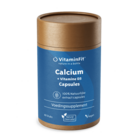
- Calcium + vitamin D3
- Vegan Multi Vitamin + D3 drops 50 ml
- Multivitamin Children + D3 drops 50 ml