5 min
5 minMany people are unaware of the importance of vitamin K, and vitamin K2 in particular often receives too little attention. This essential nutrient plays a crucial role in our health, from strong bones to healthy blood vessels. In this article, you will discover why vitamin K2 is so important and how to ensure you get enough of it.
In this article, you will learn
- What vitamin K2 is and why it is important
- How to recognise if you have a vitamin K2 deficiency
- Which foods contain vitamin K2
- How vitamin K2 works with vitamin D3

What is vitamin K?
Vitamin K is a fat-soluble vitamin that plays an essential role in blood clotting, bone health and the condition of blood vessels. There are two main forms: vitamin K1 (phylloquinone) and vitamin K2 (menaquinone).
What is special about vitamin K is that our body can produce this vitamin itself. However, it only produces small amounts, which means that in most cases, supplementation from your diet and supplements is necessary.
Why do I need vitamin K?
In recent years in particular, scientific research has increasingly revealed how important vitamin K is for health. Vitamin K plays an important role in blood clotting, among other things. Without vitamin K, if you cut your finger while cooking, your finger would not stop bleeding because your blood would not clot.
K1 is particularly important for blood clotting, while K2 plays a greater role in bone and heart health.
Vitamin K1:
- Plays an essential role in blood clotting
- Prevents excessive bleeding
Vitamin K2:
- Activates proteins that transport calcium to bones and teeth, contributing to strong bone structure
- Helps prevent arteriosclerosis by removing calcium from blood vessels
- May play a role in heart and lung health
Which foods contain vitamin K2?
The vitamin K we can obtain from our diet consists of 90% vitamin K1 and 10% vitamin K2. Vitamin K1 is mainly found in green leafy vegetables such as spinach and kale. Vitamin K2 is produced by intestinal bacteria and is found in fermented foods such as natto and certain cheeses.
Natto is the food with the highest concentration of vitamin K2. Natto is a traditional and popular Japanese dish consisting of soybeans with the probiotic bacterium Bacillus subtilis. The fermentation process produces vitamin K2. Because vitamin K2 is almost non-existent in the British diet, a supplement is recommended.
What are the risks of a vitamin K2 deficiency?
If you have too little vitamin K in your body, wounds may heal less effectively. Vitamin K2 is necessary for blood clotting, but also for strong bones.
A vitamin K2 deficiency can cause sudden bleeding, such as a nosebleed or bleeding gums. But you may also have wounds that bleed for a long time, suffer from heavy periods and get bruises and bone fractures easily and frequently. These symptoms can therefore indicate a deficiency, in which case you should consult your general practitioner.
There are also a number of risk groups for vitamin K deficiency.
Vitamins K2 and D3: the golden combination
Vitamin K2 is inextricably linked to vitamin D. It is important to get enough of both vitamins. Vitamin D promotes the absorption of calcium in the intestines. It is important that the amount of calcium in the intestines does not become too high. This can cause calcium to accumulate in your kidneys and blood vessels.
Vitamin K2 ensures that excess calcium ends up where it is needed, namely in the bones and teeth. Vitamin K2 and vitamin D3 therefore work together to ensure the correct absorption of calcium in the body.
As many people in the United Kingdom suffer from a vitamin K2 deficiency and the absorption of vitamin D from sunlight is not high in the winter months, combined supplementation is recommended.
If I want to take a vitamin K2 supplement, which one should I choose?
There are different forms of vitamin K2, from MK-4 to MK-14. MK stands for menaquinone, which is the official name for vitamin K2. The most natural form is MK-7; this form has a higher bioavailability than the other forms.
This form is not only the most natural, but also the most effective. MK-7 has a much longer half-life than MK-4, for example. This means that you need to take a new dose of an MK-4 form of vitamin K2 more quickly to maintain the vitamin K level in your body. MK-7 also reaches the blood vessels and tissues more easily, making it more effective.
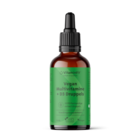
These are the reasons why MK-7 is used in most supplements. This is also the case in our vitamin K2 drops.
Conclusion
Vitamin K2 may not be the best-known vitamin, but it plays a super important role in your body. Whether it's healthy blood vessels, strong bones or preventing arteriosclerosis, K2 is indispensable. The good news is that your body can produce a small amount of this vitamin itself, but unfortunately not enough. That is why it is wise to supplement your diet with K2, especially since it is rarely found in our daily food.
Want to get the most out of your supplements? Then choose the natural MK-7 variant, because it works the most efficiently. So, it might be a good idea to add vitamin K2 to your daily routine now!