4 min
4 minYou may be reading this article for a reason: you may be experiencing stress symptoms and would like to reduce your stress levels. When stress persists for too long or recurs too often, it can put a lot of pressure on your health and well-being. Fortunately, there are natural ways to reduce that tension. In this blog, you will discover five simple and effective methods to reduce your stress levels naturally and experience more peace of mind and body.
In this article, you will read
- What stress is exactly
- What the stress hormone cortisol is
- Natural ways that can help with stress
- The importance of vitamins and minerals in stress
- What can offer extra support in periods of stress and unrest
What is stress?
Stress is a normal biological response to a situation that is perceived as threatening or challenging. As soon as your brain signals danger, the hormones adrenaline, noradrenaline and cortisol are released. These cause your body to go into action mode at lightning speed. This is a response known as the fight-or-flight response.
Your body is prepared to fight or flee: your heart rate increases, you start to sweat and your muscles tense up. Cortisol gives you extra energy to deal with the situation. The body puts everything under pressure, so to speak — and that is exactly what the word “stress” means: to put under pressure. This was once necessary to escape from a predator, but now the same thing happens during an exciting presentation, for example. Although we rarely have to run for our lives these days, our brain still reacts in the same way. Your brain does not distinguish between physical and mental threats — it always puts you on high alert.
Is stress bad?
Stress is not necessarily bad. When facing a deadline, an exciting conversation or an important event, stress provides more focus, energy and strength. This short-term stress response helps you perform. This happens through your sympathetic nervous system — the part of your nervous system that activates your body and prepares it for action. Once the exciting moment is over, your parasympathetic nervous system takes over. This causes your heart rate to drop, your breathing to slow down and your body to return to a relaxed state.
Just as muscles become stronger with training, you can also make your stress system more resilient by consciously challenging yourself from time to time. This helps you build up your stress resistance. But be careful: too much or constant stress without recovery is harmful. Prolonged work pressure, worries or conflicts keep your body in action mode. We also call this chronic stress, which often causes complaints such as fatigue, poor sleep, irritability and physical problems.
Stress symptoms
The symptoms of stress can vary from subtle signals to clearly noticeable complaints. Some common symptoms are:
Physical stress complaints:
- Fatigue or exhaustion
- Headaches or migraines
- Muscle tension or pain in the neck and shoulders
- Poor sleep or difficulty falling asleep
- Changes in appetite (too much or too little)
- Increased heart rate or palpitations
- Sweating, especially at night
- Digestive problems such as stomach complaints, diarrhoea or constipation
- Shortness of breath or breathing problems
Mental symptoms:
- Difficulty concentrating
- Feeling agitated or restless
- Anxiety, worry or constant nervousness
- Becoming irritated quickly
- Gloominess, despondency
- Reduced self-confidence or feelings of inadequacy
- Changes in social interactions, such as withdrawing from friends or family
If these symptoms persist or occur more frequently, it may be a sign that stress has gotten out of hand. It is important to recognise when stress is becoming too much and to take action to restore balance to your body.
Natural ways to reduce stress
Fortunately, there are natural ways to calm your body and mind without pills or complicated methods:
1. Exercise and movement
Exercise! In relation to stress, we call this active relaxation. It is a very good way to relax when stressed. One way that many people use to “clear their head” is running, but it can just as easily be a long walk or bike ride, or an hour of yoga.
Exercise is a powerful way to reduce stress and cope better with tension. During exercise, some extra cortisol is temporarily released, but this is completely normal and even healthy. After exercise, your body recovers and your hormonal balance improves, ultimately reducing your stress levels.
Please note: too much or too intense exercise without sufficient rest can actually be counterproductive. Overtraining keeps your body in a constant state of stress, which hinders your recovery and actually makes you more susceptible to stress symptoms.
2. Controlling your breathing
With proper breathing, you can achieve much more than you think. Entire books have been written (for example, “The Oxygen Advantage”, highly recommended!) about the effect of proper breathing.
Perhaps you already use certain breathing techniques during exercise and have noticed that they give you more stamina. But there are also specific breathing techniques for reducing stress. Here are two that are often used in yoga.
Breathing technique Explanation
| Ademhalingstechniek | Uitleg |
Alternate nostril breathing (Nadi Shodhana pranayama) | For this breathing exercise, first make sure you are sitting comfortably. Now breathe calmly through your nose, using your thumb and ring finger to close one nostril and then the other, alternating between them. Here's how it works: Place your thumb on your right nostril (if you are right-handed) and press it closed. Then breathe in through your left nostril for a count of 1,2,3,4. Next, close your other nostril with your ring finger of the same hand and hold your breath for 4 counts. Then release your thumb to exhale through your right nostril in 4 counts. Repeat this about 10 times. |
The 4-7-8 technique | If you find the above exercise too complicated or too much hassle, there is another technique that helps you relax and reduce stress. The 4-7-8 technique involves breathing in for 4 counts, holding your breath for 7 counts and breathing out for 8 counts. With this technique, you breathe in through your nose and out through your mouth, slowly releasing a little tension with each exhalation. By making the exhalation longer than the inhalation, you lower your heart rate, which helps you relax. |
3. Spend time in nature
Spending time in nature is a powerful way to reduce stress. Studies show that walking in green environments lowers blood pressure, stabilises the heart rate and reduces cortisol levels. The peaceful pace of nature and the fresh air help to calm your thoughts and relax your mind. What's more, nature stimulates your parasympathetic nervous system, which is responsible for relaxation and recovery.
4. The importance of vitamins in stress
When you are under prolonged pressure, all kinds of things happen in your body. Your heart rate accelerates, your breathing quickens and your muscles tense up — all controlled by the stress system. What is often less visible is that stress also affects your metabolism and significantly increases your need for certain nutrients. Your body uses more vitamins and minerals to cope with stress and to restore balance. Below you can read which substances these are and why they are so important during stressful periods.
Magnesium: Magnesium is often referred to as the relaxation mineral, and for good reason. It plays an important role in relaxing muscles, regulating your nervous system and promoting a feeling of calm. Magnesium also helps you sleep better and more deeply.
Read more in our blog How to sleep better during periods of stress and unrest.
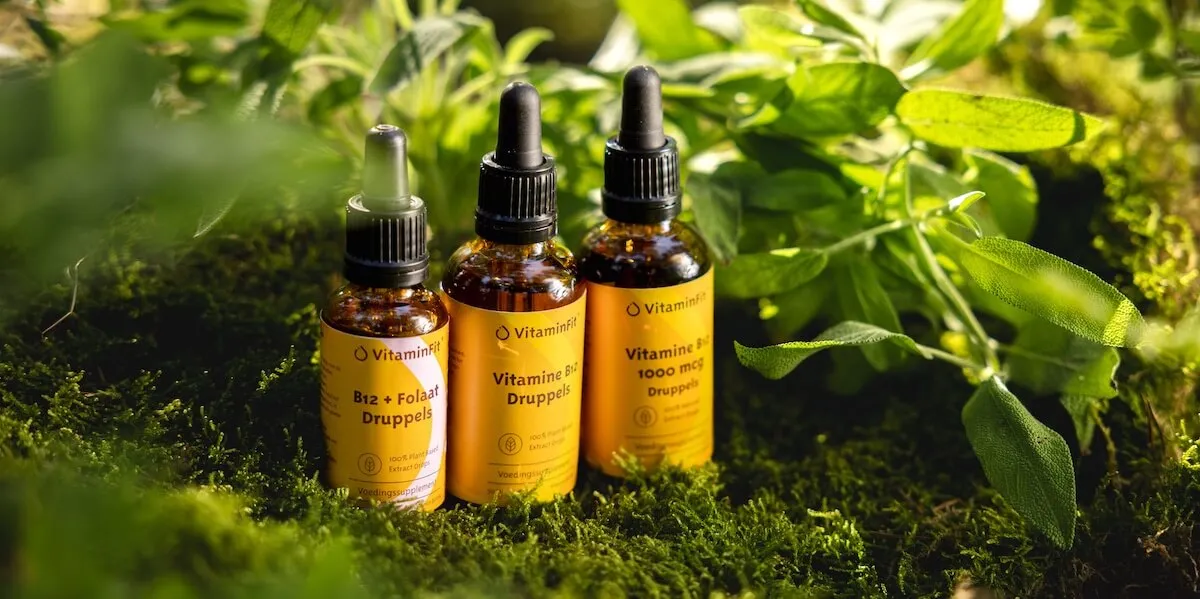
B vitamins (especially B6, B12 and B11 (folic acid)): B vitamins are essential for a properly functioning nervous system and energy metabolism. They help produce neurotransmitters such as serotonin and dopamine, substances that affect your mood. During times of stress, your body uses more B vitamins to keep these processes running. A deficiency can lead to fatigue, concentration problems and feelings of gloom. Extra supplementation can help maintain your energy levels and make you feel more mentally resilient.
Discover more about the power of vitamin B complex
Vitamin C: Vitamin C is best known as an immune booster, but it also plays an important role in regulating stress. Your body uses this vitamin to produce and break down the stress hormone cortisol. Prolonged stress will therefore deplete your reserves more quickly. Vitamin C is also a powerful antioxidant that protects cells from damage caused by free radicals, which are produced in greater quantities during stress.
Zinc: Zinc is involved in regulating your mood and resistance, among other things. During stress, the zinc balance is disrupted, making you more susceptible to infections and negative moods. A zinc deficiency has also been linked to feelings of anxiety or depression. By replenishing this mineral, you support your brain, your immune system and your overall stress recovery.
Iron: Iron transports oxygen through your blood. During stress, your iron stores can be depleted more quickly, especially in people who are already prone to deficiencies. Too little iron means less oxygen for your brain and muscles, leading to fatigue, concentration problems and even heart palpitations. By maintaining your iron intake, you ensure that your body has enough energy to cope with stress.
Vitamin D: Vitamin D is essential for your mood, energy and immune system. Low vitamin D levels are associated with feelings of depression, irritability and reduced stress resistance. Because many people (especially in autumn and winter) are deficient, it is an important vitamin to keep an eye on, especially in cases of mental exhaustion or prolonged stress.
Selenium: Selenium is a powerful antioxidant that protects cells from damage caused by oxidative stress. A deficiency can weaken the immune system and is associated with depressive symptoms. Selenium can help support energy balance, especially during prolonged stress or burnout.
Omega-3 fatty acids (EPA & DHA): Although not vitamins or minerals, omega-3 fatty acids are very important for brain function and stress regulation. They reduce inflammatory responses in the body and support the production of neurotransmitters. Research shows that omega-3 contributes to a better mood, less anxiety and a more stable stress response.
5. Calming herbs
Natural remedies can be an effective supplement for stress symptoms. There are several herbs that are known for their medicinal properties and their ability to improve your mood. Valerian root has a calming effect and helps you relax both physically and mentally, while lemon balm helps reduce tension. Ashwagandha, an adaptogenic herb, is particularly effective at regulating stress hormones such as cortisol. It helps to lower cortisol levels naturally, reducing stress levels and improving overall stress resistance. In addition, St. John's Wort is known for its positive effect on mood and is often used to treat feelings of depression and anxiety, which can help restore your mental balance.
Conclusion
Stress is a normal part of life, and the key is not to avoid it altogether, but to learn how to deal with and manage stress. Short periods of stress can actually make you stronger, as long as you allow your body sufficient rest and recovery. Don't see stress as a burden, but as a challenge, a skill you can develop by consciously dealing with the tensions in your life. Hopefully, these 4 ways will help you reduce stress naturally!
Do you have questions about the use of vitamins or soothing herbs? Feel free to contact us via chat or email. We are happy to help!