3 min
3 minWe probably all take vitamin D every day. This is wise, because your body really needs this vitamin every day, not just during the dark winter months. In addition, vitamin D deficiency is very common.
If you take these vitamins, you naturally want to get the most out of them for your health. When you take vitamin D is therefore important. We will give you three additional tips for using vitamin D to help you get the most out of your supplementation.
In this article, you will read
- Why it is important to take vitamin D with a meal
- Why drops often work better than pills
- How vitamin D and calcium work together
- Why magnesium is important for vitamin D
Tip 1: take vitamin D with a meal for good absorption
The 14 different vitamins we know are divided into water-soluble vitamins and fat-soluble vitamins. Vitamin D falls into the latter category. What does fat-soluble or water-soluble mean? Every substance dissolves in water or in oil (fat). There is no other way. Vitamin D dissolves in oil, which is how the body absorbs the vitamin.
Vitamin D, like the other fat-soluble vitamins A, E and K, is therefore best taken with a meal, because a meal always contains a little fat. This allows the body to absorb the vitamin from the fat in the food.
You can choose whether to take the vitamin in the morning or in the evening.
Regardless of the meal, you will consume a little fat. Whether it's a bowl of yoghurt for breakfast, a cheese sandwich for lunch or pasta with red sauce in the evening. It is useful to choose a fixed time, but that is purely so that it becomes a habit and you don't forget your daily dose of vitamin D.
Other tips for vitamin D intake
In addition to taking vitamin D with meals for good absorption, there are a few other things you can do to promote the absorption of vitamin D and other nutrients related to vitamin D. Here are the three most important tips:
Tip 2: choose vitamin D drops for faster absorption
Supplements come in various forms: capsules, drops, tablets. Vitamin drops can be absorbed directly after ingestion via the mouth. This is in contrast to vitamins in pill form, which must first reach the stomach and intestines. This is because these substances are “encapsulated” in the tablet. This is therefore a difference between liquid vitamins and vitamins in pill form.
Drops are also convenient if you have difficulty taking supplements. Pure on a spoon or mixed into a bowl of yoghurt. Because vitamin D is fat-soluble, vitamin D drops are more difficult to mix into a glass of water, but you can mix them into a glass of a cloudy drink such as apple juice or drinking yoghurt.
Do you still have vitamin D tablets or capsules at home and want to use them up first? If you have trouble swallowing, you can cut capsules in half and sprinkle them on your food. This is not always possible with tablets, as in some cases it reduces their effectiveness. When taking tablets, it helps to bend your head forward as you swallow. This may sound counterintuitive, but it prevents you from swallowing air, making it easier.
Tip 3: use vitamin D in combination with calcium for better calcium absorption
Interactions are also known to occur between vitamins and minerals. For example, vitamin D has a positive effect on the absorption of calcium. Calcium helps prevent osteoporosis. Pregnant women and the elderly therefore need extra calcium. If you take a calcium supplement, use it in combination with vitamin D to promote absorption.
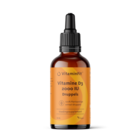
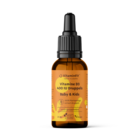
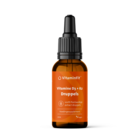
In our shop, you will find more product information about our vitamin D drops and calcium capsules.
Tip 4: don't forget magnesium when it comes to vitamin D
Magnesium and vitamin D are also related. Magnesium, in high doses, is needed to help the body convert vitamin D. So you want to avoid a magnesium deficiency. If you also take calcium, you need to be extra careful about a deficiency: calcium inhibits the absorption of magnesium.