3 min
3 minA vegan diet offers countless health and environmental benefits, but it is important to pay attention to certain nutrients that are mainly found in animal products.
In this blog, we will take a closer look at calcium: how can vegans ensure they get enough calcium?
In this article, you will read
- Why calcium is essential for strong bones, muscle function and the nervous system.
- The best plant-based sources of calcium, such as dark green vegetables, fortified plant-based milk and tofu.
- Useful tips to limit calcium loss during cooking and increase your intake.
- How to get enough calcium as a vegan, with or without supplements.
Why is calcium important?
First of all, it is important to know what calcium is good for:
- Bone health: calcium is the building block of strong bones. It is essential for the growth and maintenance of healthy bones throughout our lives.
- Muscle function: it is involved in the contraction of muscles, including the heart muscle.
- Blood clotting: calcium is necessary for blood clotting, which is important to prevent excessive bleeding after an injury.
- Nerve transmission: it helps transmit nerve signals and contributes to the healthy functioning of the nervous system.
Where can you find calcium?
Calcium occurs naturally in foods such as dairy products, but for vegans, dairy products are not an option. So where can you get calcium if you follow a vegan diet? Here are some sources of calcium for vegans:
- Dark green leafy vegetables: vegetables such as kale, broccoli, Chinese cabbage and collard greens are excellent sources of calcium.
- Almond milk, soya milk and other plant-based milks: many types of plant-based milk are fortified with calcium. Check the labels to see if they contain calcium.
- Tofu: tofu is a great source of calcium. 100 grams of tofu contains almost 200 mg of calcium!
- Almonds and sesame seeds: nuts and seeds, such as almonds and sesame seeds.
- Legumes: such as chickpeas, lentils and other legumes.
- Fortified foods: as with other nutrients, more and more foods, such as breakfast cereals and fruit drinks, are being fortified with calcium. These products can be a useful supplement.
Important advice for vegans:
- Dietary diversity: ensure you have a varied diet to ensure you get enough calcium. A combination of different types of food will lead to a higher calcium intake more quickly!
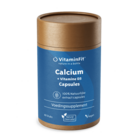
- Supplements: want to be sure you're getting enough calcium? Then calcium supplements are the answer.
- Cooking with calcium: cooking techniques, such as boiling vegetables, can alter the calcium content. The retention of minerals after cooking with water varies: up to 20% of the calcium content can be lost. You can counteract this process by cooking food for as short a time as possible with the lid on the pan and by not cutting food into too small pieces, so that the contact surface with the water is not too large.
Practical advice
On average, an adult needs 1000 mg of calcium. This may seem like a lot, but a small bowl of fortified soya yoghurt contains almost 200 mg of calcium. Vegetables are also a good source of calcium. Eating 150 grams of rocket provides 400 mg of calcium.
The conclusion: as a vegan, you can certainly get enough calcium, but it does require attention to your diet and the choices you make. A calcium supplement can be a solution for a vegan diet.