Vitamin B12 is an essential nutrient that plays an important role in your energy levels, brain function and red blood cell production. But which foods actually contain vitamin B12? This vitamin is mainly found in animal products, which makes it more difficult for vegetarians and vegans to get enough B12. In this article, you will discover the 10 best B12-rich food sources and why this vitamin is so important for your health.
In this article, you will read
- What vitamin B12 is and why it is so important
- What the symptoms of a B12 deficiency are
- Exactly how much B12 you need
- Animal foods containing B12
- Plant-based foods containing B12
What is vitamin B12?
Vitamin B12, also known as cobalamin, is one of the vitamins in the B complex and plays an essential role in our body. Although it belongs to the water-soluble vitamins, it behaves differently from the rest. Normally, water-soluble vitamins are not stored in your body, but vitamin B12 is an exception. Like the fat-soluble vitamins A, D, E and K, B12 can be stored in the body, particularly in the liver.
Vitamin B12 is produced by microorganisms, including bacteria. Although this process also takes place in the human body, we cannot use it ourselves. Production takes place in the large intestine, while the absorption of B12 only occurs in the small intestine, more specifically in the last part of the small intestine, the ileum. Here, B12 binds to a special protein, known as the “intrinsic factor” protein, which is produced by the stomach. This complex protein helps transport B12 to the cells in the small intestine, where the vitamin is ultimately absorbed into the blood.
Why is vitamin B12 important?
Vitamin B12 helps your body convert carbohydrates, proteins and fats from your diet into energy. But that's not all—vitamin B12 also supports many other processes in your body, such as:
- helping to produce red blood cells
- stimulating natural energy production in your body
- strengthening the immune system
- promoting concentration, learning ability and mental resilience
- contributing to the reduction of fatigue
- supporting the growth and maintenance of healthy nerve cells
- promoting the process of cell renewal
How much vitamin B12 do you need?
B12 occurs in food in various natural forms, such as methylcobalamin, hydroxocobalamin and adenosylcobalamin. The recommended daily intake for adults is 2.8 mcg. This amount may vary depending on age, health status and stage of life (such as pregnancy or breastfeeding).
Various factors, such as antacids, intestinal problems or stress, inhibit the absorption of vitamin B12. That is why we prefer to consume a little more to maintain healthy levels. Supplements containing B12 are therefore higher in dosage than the recommended amount. There is little chance of adverse effects if you consume too much vitamin B12. Your body ensures that excess amounts are not absorbed but are immediately excreted in your urine. Therefore, no upper limit has been set for vitamin B12 intake.
What are the symptoms of a B12 deficiency?
A vitamin B12 deficiency can cause various symptoms, such as feeling very tired or weak and experiencing memory problems. You may also suffer from tingling or numbness in your hands and feet, pale skin, reduced appetite and balance problems.
Since your body stores B12, a deficiency is not immediately noticeable; it can take months or even years before your reserves are depleted.
Read our other blog to find out why you don't notice a B12 deficiency right away.
Food and vitamin B12
We are completely dependent on external sources, such as food or supplements, to get enough B12. Here are 10 foods rich in vitamin B12:
1. Offal
Offal is one of the most nutritious foods. Liver and kidneys, especially from lamb, are rich in vitamin B12. Lamb liver contains approximately 85 micrograms of vitamin B12 per 100 grams. This is more than 3,500% of the recommended daily allowance for vitamin B12. Lamb liver is also rich in copper, selenium and vitamins A and B2.
2. Mussels
Mussels are an excellent source of vitamin B12, containing no less than 20 micrograms per 100 grams, which is more than 700% of the recommended daily allowance. But that's not all. They also contain vitamins A, C, E and K, as well as folic acid and riboflavin (vitamin B2), all of which contribute to healthy skin, immunity and energy production.
3. Herring
Herring is another powerful source of vitamin B12, with 13.5 micrograms per 100 grams. In addition to B12, herring also contains vitamin D, essential for bone health, and vitamin A for healthy vision. It is also rich in vitamins B2 (riboflavin), B3 (niacin) and B6, all of which are involved in metabolism and energy production.
4. Tuna
Tuna provides 10.5 micrograms of vitamin B12 per 100 grams, which is about 375% of the RDA. In addition to B12, tuna contains vitamins D, B2, B6 and vitamin A. This combination not only supports your immune system, but also contributes to the health of your heart and brain.
5. Sardines
Sardines contain 8.2 micrograms of vitamin B12 per 100 grams and are also a rich source of vitamins D, B3, B2 and B6. They also contain antioxidants such as vitamin E, which help fight free radicals and support healthy skin and hair.
6. Salmon
Salmon, with 4.8 micrograms of vitamin B12 per 100 grams, is not only an excellent source of B12, but also provides a good dose of vitamins D, B2, B3 and B6. The healthy fats in salmon, including omega-3 fatty acids, contribute to brain function and heart health.
7. Eggs
Eggs are a versatile source of vitamin B12, with approximately 1.1 micrograms per egg. They also contain vitamins A, D, E and B2, as well as B5 and B7 (biotin), which are important for energy production and maintaining healthy skin and hair.
8. Dairy products
Dairy products, such as milk, cheese and yoghurt, are a valuable source of many essential nutrients, including vitamin B12. Although the amount of vitamin B12 in dairy products is relatively lower than in fish or organ meats, for example, they can still make an important contribution to your daily B12 intake. Milk and cheese contain approximately 1.3 micrograms of vitamin B12 per 100 grams, which is about 46% of the recommended daily allowance (RDA).
For people who do not drink milk, there are also plant-based alternatives available, such as soya milk or almond milk, which are often enriched with vitamin B12, calcium and vitamin D, so that they can offer the same benefits as traditional dairy products.
Plant-based sources of vitamin B12
Vitamin B12 is only found in animal products such as milk, dairy, meat, fish and eggs. It can therefore be difficult for vegetarians and vegans to obtain enough B12, which often means that supplements or fortified foods are necessary.
Some examples of fortified foods with added vitamin B12:
9. Marmite
Marmite is a fermented product rich in B vitamins, including vitamin B12. It is often used as a condiment or spread and has a very distinctive, savoury flavour. Marmite is fortified with vitamin B12, which means it can be an important source for people who do not eat animal products. Per 100 grams, Marmite contains approximately 15 micrograms of vitamin B12, which is about 530% of the recommended daily allowance.
10. Fortified nutritional yeast flakes
Nutritional yeast flakes are a popular food, especially in vegan and vegetarian cuisine. They are often used to give dishes a cheesy flavour and can easily be added to pasta, salads, soups or even as a topping for popcorn. Enriched nutritional yeast can contain up to 40 micrograms of vitamin B12 per 100 grams, which is more than 1,400% of the RDA.
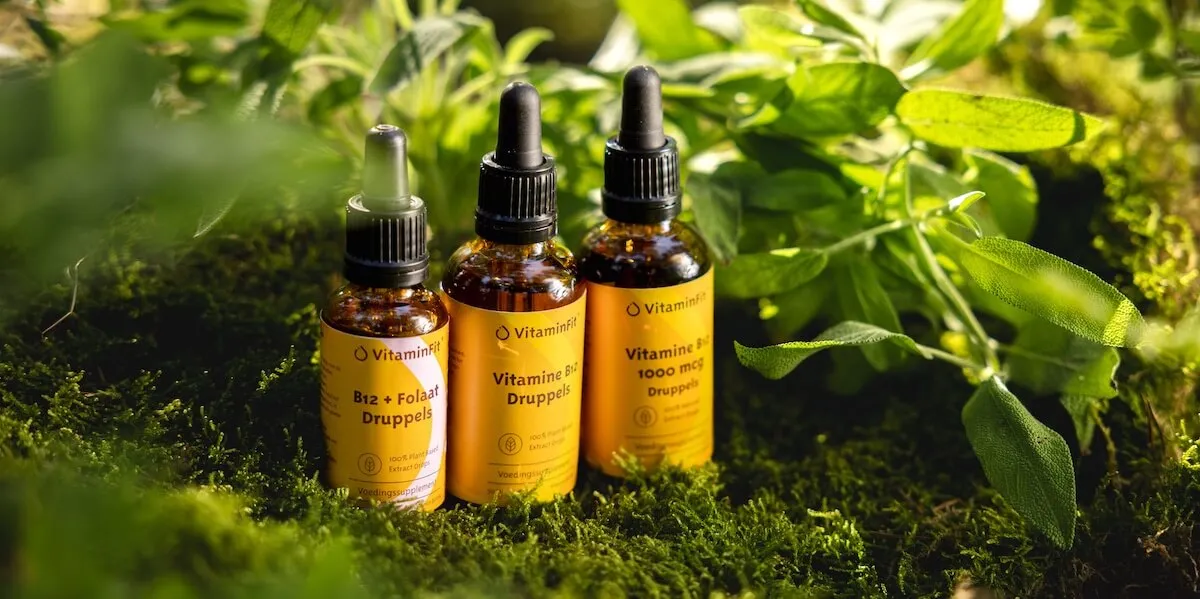
In addition, supplements can be a good option. View our supplements with vitamin B12 here.
Conclusion
Vitamin B12 is a real team player when it comes to your health! It supports your energy, nervous system and immune system, and ensures that your body continues to function optimally. Whether you choose animal products, fortified plant-based options or a supplement, the most important thing is to make sure you get enough B12. This will keep you energetic and healthy!