3 Min
3 MinToddlers are at a stage in their lives where they are growing rapidly and developing at lightning speed – both physically and mentally. A balanced diet is essential to support this growth. What your toddler eats affects their energy levels, concentration, immunity and mood. In this article, we take a closer look at the nutritional needs of toddlers and provide practical tips for encouraging healthy eating habits.
In this article, you will read about:
- The nutritional needs of toddlers
- What you can do if your toddler is a fussy eater
- Tips for creating a healthy diet
Nutritional needs of toddlers
1. Proteins – the building blocks of the body
Proteins are essential for the growth and development of tissues in the body. Toddlers need proteins for the development of muscles, organs and the immune system. They also play an important role in the repair of the body and the production of enzymes and hormones. Good sources of protein are lean meat, fish, eggs, dairy products and legumes.
2. Carbohydrates – the main source of energy
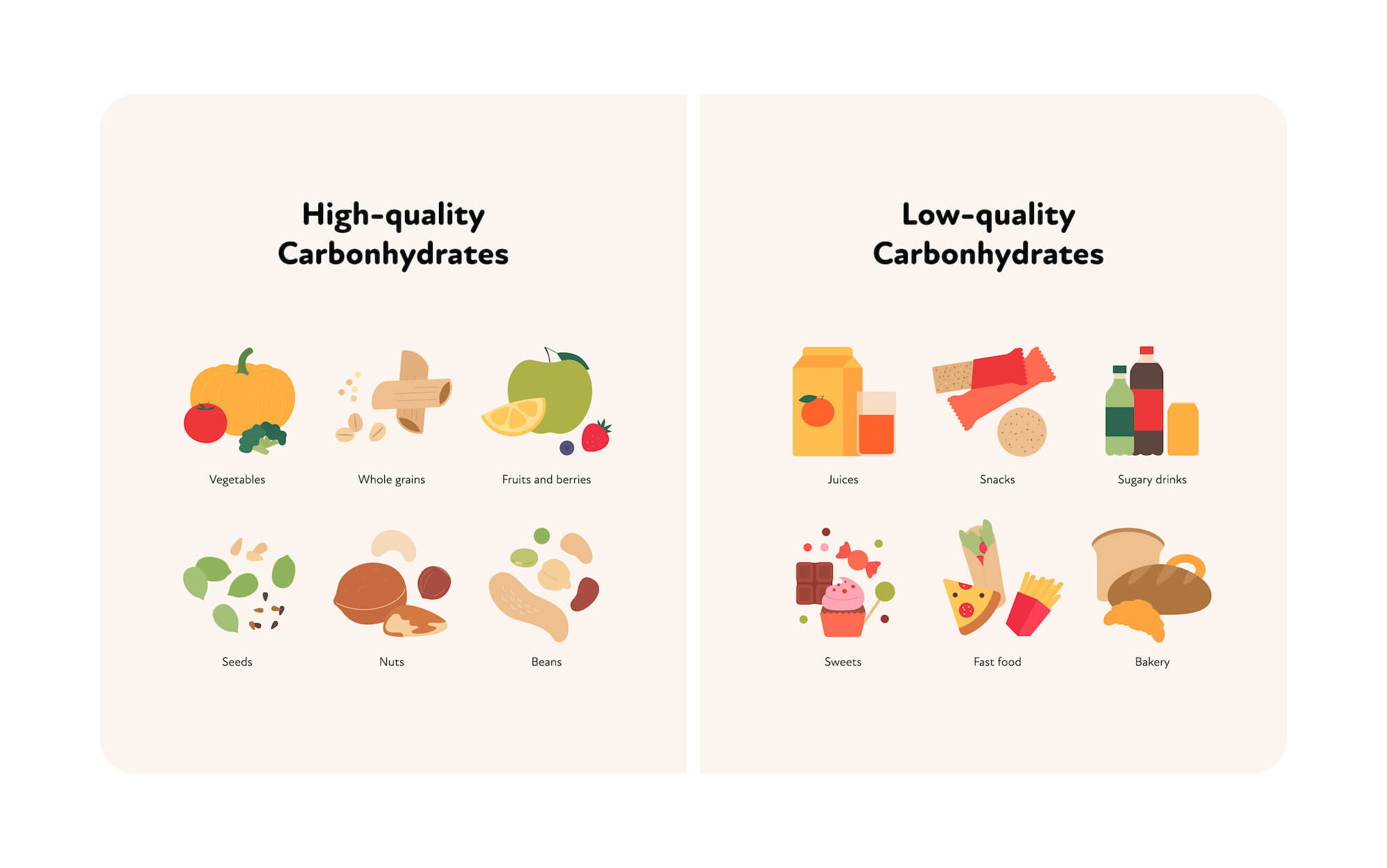
Carbohydrates are the main source of energy for toddlers. Make sure they eat whole grains, fruit and vegetables instead of refined carbohydrates. Refined carbohydrates include white pasta and rice, biscuits and cakes.
These carbohydrates are also known as “fast sugars”. These sugars are what cause your toddler's energy spikes and dips! Wholemeal products, on the other hand, provide fibre and nutrients that are essential for healthy digestion.
3. Fats – for brain development and energy
Healthy fats, such as those found in nuts, seeds, olive oil and avocados, are important for the development of the brain and nervous system. Limit saturated and trans fats and opt for unsaturated fats instead. Trans fats can be found in biscuits, fried snacks, cakes and sweets.
4. Calcium – strong bones and teeth
Calcium is necessary for the development of strong bones and teeth. Dairy products such as milk, yoghurt and cheese are good sources of calcium. If your toddler is lactose intolerant, consider calcium-enriched products such as soya milk.
5. Iron – for energy and resistance
Iron is crucial for the production of red blood cells and oxygen transport in the body. A deficiency can lead to anaemia, which can cause fatigue and irritability. Make sure your toddler eats iron-rich foods such as red meat, poultry, fish, beans, green vegetables (spinach!) and whole grains.
Combine iron-rich foods with vitamin C (e.g. oranges or peppers) to improve iron absorption.
6. Fibre – for healthy digestion
Fibre ensures good bowel function and helps prevent constipation, something that toddlers often suffer from.
Fibre-rich foods include wholemeal bread and cereals, fruit and vegetables (especially with the skin on) and legumes such as lentils and beans. Don't forget to give your child plenty of water with fibre-rich foods, otherwise the effect can be counterproductive!
What if your toddler is a fussy eater?
Many toddlers go through a phase where they are picky about food. This is completely normal and is part of their (taste) development and search for autonomy. Don't force them to eat, but remain patient and regularly offer healthy options, even if they refuse them at first. By creating a calm atmosphere at the table and involving your toddler in choosing or preparing food, you increase the chance that he or she will eventually dare to try new flavours.
Read our article “My child doesn't eat fruit and vegetables, what can I do?”
Tips for creating healthy eating habits for toddlers
A healthy diet is about more than just the right nutrients. It's also about habits, environment and attitude towards food. Here are some practical tips:
- Offer a variety of foods: Toddlers can be picky, so make sure their diet is varied. This will help them get a range of nutrients. Try to introduce your toddler to new flavours as much as possible. It can sometimes take up to 10 times before a child learns to appreciate a new flavour, so be patient!
- Provide regular meals and snacks: Toddlers often need snacks between meals. Provide healthy options such as chopped vegetables, fruit, wholemeal crackers and low-fat yoghurt. This helps to keep blood sugar levels stable and prevents overeating.
- Offer small portions: Toddlers have small stomachs. A few bites may be enough. Don't force your child to finish their plate, but let them listen to their own hunger cues.
- Let them be involved in cooking: Let your child help with simple tasks such as washing vegetables or stirring something. This increases their interest in the food they have helped to make.
- Be patient and positive: Toddlers can be stubborn when it comes to food. Be patient and praise their efforts, even if they only eat a little.
- Limit sugar and salt: Try to limit the intake of added sugars and salt. Use herbs such as basil, thyme or garlic to add flavour without salt. Avoid products with hidden sugars such as fruit juices, breakfast cereals or ready-made sauces.
- Ensure adequate hydration: Water is the best thirst quencher. Avoid soft drinks and juice as much as possible. A cup of water with every meal is a healthy habit.
Conclusion
Good nutrition is the basis for healthy development. By getting your toddler used to healthy and varied food at an early age, you are laying the foundation for lifelong healthy eating habits. Remember: every child is different, and it is perfectly normal for your toddler to be fussy about food from time to time. Trust your intuition and, above all, stay relaxed at the table!