4 min
4 minVitamin B11 is a vitamin with many names, but we know it best as folic acid or folate. This vitamin is a water-soluble vitamin from the vitamin B complex. Although this vitamin is often associated with a healthy pregnancy, folate is essential for much more than that. In this article, you will discover what vitamin B11 is exactly, why it is so important for your health, in which foods you can find it, and what you need to know about deficiencies and supplement use.
In this article, you will read
- What vitamin B11 is and what it is used for
- The different forms of vitamin B11
- The health benefits of vitamin B11
- Where to find vitamin B11 in food
- What to do in case of a vitamin B11 deficiency or excess
- How much vitamin B11 you need daily

What is vitamin B11?
Vitamin B11, also known as folic acid or folate, is a water-soluble vitamin that we cannot produce ourselves. Our body only stores small amounts in the liver, so we need to regularly consume folate through our diet. Vitamin B11 is necessary for the growth and proper functioning of the body and for the production of white and red blood cells.
Forms of vitamin B11
Vitamin B11 comes in two forms:
- Folate: This is the natural form of vitamin B11 found in food. The active form of folate is 5-methyltetrahydrofolate (5-MTHF), which plays an important role in cell growth and DNA formation.
- Folic acid: This is the synthetic form of vitamin B11 that is often found in supplements. The body has difficulty converting folic acid into the active form of vitamin B11.
In addition to the names vitamin B11, folate and folic acid, it is called vitamin B9 in other countries such as Germany, France and America.
What is B11/folate good for?
Folic acid is best known for its role during pregnancy. It supports the growth of the unborn child, helps form the placenta and promotes tissue growth.
But even if you are not pregnant, vitamin B11 is important. It contributes to:
- The formation of red and white blood cells
- Supporting the immune system
- The metabolism of homocysteine
- Maintaining a healthy state of mind and mental resilience
- Reducing fatigue
Vitamin B11 in food
Folic acid occurs in the form of folate and is particularly abundant in green (leafy) vegetables (endive, lettuce, spinach, Brussels sprouts and broccoli). It is also found in legumes (green beans, peas, lentils), fruit and wholemeal products.
Vitamin B11 deficiency symptoms
A vitamin B11 deficiency can have various causes. The first cause may be an unbalanced diet. In addition, excessive alcohol consumption and certain medications such as methotrexate (medication for rheumatism, psoriasis and Crohn's disease) can cause a deficiency.
You can recognise a severe vitamin B11 deficiency by the following symptoms:
- Anaemia
- Intestinal disorders (reduced absorption)
- Fatigue
- Birth defects
- Abnormalities in red and white blood cells.
- Changes in the bone marrow
- Weight loss
Vitamin B11 excess
There is no evidence that too much folic acid from food is harmful. However, this is the case for folic acid (PMG) in tablets. A high intake of folic acid can make it more difficult to detect a vitamin B12 deficiency.
Folic acid and B12 cooperation
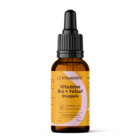
Folic acid (vitamin B11) works closely with vitamin B12. It is important to maintain a balance between these two vitamins, because a vitamin B12 deficiency can be masked by a high intake of folic acid. That is why it is often useful to take vitamins B11 and B12 together to ensure that you get enough of both.
Recommended amount of B11
Recommended daily allowance for adults:
- Adult women: 300 mcg
- Pregnant women: 400 mcg from food and 400 mcg from supplements
- Breastfeeding: 400 mcg
- Adult men: 300 mcg
Recommended daily intake for babies, toddlers and children:
- From 6-11 months: 60 mcg
- From 1-3 years: 85 mcg
- From 4-8 years: 150 mcg
- From 9-13 years: 225 mcg
- From 14-17 years: 300 mcg
Upper limit for folic acid/folate/vitamin B11
An excess of folic acid from supplements can cause a vitamin B12 deficiency. That is why the European Food Safety Authority (EFSA) has set an acceptable upper limit for folic acid from supplements.
Acceptable daily upper limit per age category for supplements:
- From 1-3 years: 200 mcg
- From 4-6 years: 300 mcg
- From 7-10 years: 400 mcg
- From 11-14 years: 600 mcg
- From 15-17 years: 800 mcg
- From 18 years and older: 1000 mcg
Need a vitamin B11 supplement?
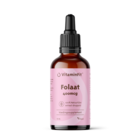
A vitamin B11 supplement is necessary if you want to become pregnant. It is important to take 400 micrograms of folic acid every day. This amount is separate from how much folic acid you get from your diet. It is important to start taking this about 4 weeks before possible conception, for example when you stop taking the contraceptive pill. Folic acid reduces the risk of congenital abnormalities, such as a cleft lip or spina bifida in your baby.
From the tenth week of pregnancy onwards, extra folic acid is no longer necessary. Folic acid is not harmful to you or your baby. Is it taking months or even years to get pregnant? Then continue taking folic acid.
If your diet is unbalanced, it can be difficult to get enough vitamin B11 (folic acid). In such cases, it may be useful to take a vitamin B11 supplement to ensure that you are getting enough of this vitamin.
Conclusion
Vitamin B11, better known as folate or folic acid, is an essential vitamin that plays a major role in cell growth, blood cell production and the healthy development of an unborn child. Because the body does not produce it itself and only stores small amounts, regular intake through food or supplements is essential. Women who want to become pregnant or are pregnant should be particularly mindful of their folic acid intake.