5 min
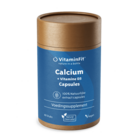
5 minDo you ever take calcium supplements? If so, there are a few things that are important for proper absorption. In this article, we share four tips for the correct use of calcium supplements. But first, a brief overview of calcium itself. Why do we actually need calcium?
In this article, you will read
- Why calcium is important: from strong bones to a healthy heart and energy levels.
- How to get enough calcium: nutritional tips and alternatives to dairy products.
- When calcium supplements are useful: for whom and why.
- Tips for using calcium tablets: including advice on vitamin D, organic calcium, and caffeine.
Why do you need calcium?
Calcium is necessary for building and maintaining strong bones. This makes it an important mineral for preventing osteoporosis in later life. Calcium also supports energy levels, the heart muscle and the transport of other minerals in the body, including magnesium.
Because calcium plays an important role in bone formation and maintenance, it is easy to imagine that calcium requirements vary by age group. For example, babies need 210 mg of calcium per day right from the start. From the age of 6 months, their calcium requirement is already more than twice as high, at 450 mg per day.
Furthermore, according to the Health Council of the Netherlands, adult men and women (aged 19-69) need an average of 950 mg of calcium per day. Seniors (aged 70 and older) can consume 1100-1200 mg of calcium per day to prevent osteoporosis.
Where can it be found?
- So there are plenty of reasons to ensure you get enough calcium. Drinking milk is the best-known way to get calcium, but not everyone likes it. Other dairy products such as yoghurt and quark also contain a lot of calcium, but not everyone can eat a lot of them, for example because of lactose intolerance.
- Cheese is also high in calcium and low in lactose, making it suitable for people with an intolerance. However, to get enough calcium, you need to eat quite a lot of cheese: 100-150 grams per day.
- Fortunately, calcium is also found in vegetables such as broccoli and green leafy vegetables. It is best to avoid spinach, as it reduces the absorption of calcium in the body. If you do not eat any dairy products at all, you are at greater risk of calcium deficiency. This may be a good reason to take calcium tablets.
Calcium tablets can also be a solution for people with an increased calcium requirement, such as the elderly. If, as an elderly person, you want to get 1200 mg of calcium from your diet every day, this means that you have to drink at least a litre of milk or consume a litre of other dairy products every day. That is a lot.
Tips for calcium tablets
Have you decided to take extra calcium in the form of calcium tablets? Here are three tips:
Tip 1: Take calcium together with vitamin D
Vitamin D is necessary for the body to absorb calcium from food. It is therefore important to have a good supply of vitamin D in the body. And that is not the case for everyone, especially in the United Kingdom.
Do you think you are not getting enough vitamin D? Then take a vitamin D supplement in addition to calcium tablets. Many people have a vitamin D deficiency, not only in winter.
Tip 2: Choose organically bound calcium in calcium tablets
Organically bound calcium is absorbed most quickly by the body. An organically bound mineral contains substances that come from living nature. Calcium citrate is a good example of this. The opposite is an inorganically bound mineral, which has a relatively low absorption rate and is therefore absorbed more slowly and less efficiently.
Tip 3: Drink as little caffeine as possible to improve the absorption of the calcium tablet
Drinking a lot of coffee, tea or cola causes the body to lose too much calcium. The caffeine in these products causes calcium to be lost through urine.
There are other products that have a negative effect on calcium absorption. This is said to be the case with beetroot and spinach, for example, because they contain a lot of oxalate. The same applies to wheat-based cereal products, as these contain a lot of phytate.
However, the Nutrition Centre says that it is not harmful to consume these products in terms of calcium reserves. Our advice: do not take your calcium tablets immediately with your sandwich, but rather one to two hours afterwards.
Tip 4: Do not take too many calcium tablets
When taking calcium in the form of supplements, do not exceed the recommended daily allowance (RDA) of calcium. This RDA is between 800 and 1200 mg, depending on your age group.