3 min
3 minWe need omega-3. These fatty acids protect us against cardiovascular disease, a group of conditions that kill 1 in 4 women in the Netherlands. But how can you prevent an omega-3 deficiency? We explain it all in this article.
In this article, you will read
- What omega-3 is and what types there are
- Why omega-3 is important for your heart, brain and eyes
- How much omega-3 you need every day
- How you can prevent an omega-3 deficiency
- What you can do if you don't eat fish
- Symptoms of an omega-3 deficiency
- Where you can find vegan omega-3
The benefits of omega-3
Omega-3 fatty acids are polyunsaturated fatty acids. There are three types: alpha-linolenic acid (ALA), eicosapentaenoic acid (EPA) and docosahexaenoic acid (DHA). ALA is mainly found in plant-based foods such as linseed oil, chia seeds and walnuts, while EPA and DHA are mainly found in fish and shellfish.
Although ALA is also important, EPA and DHA have the most significant benefits for your health. Your body cannot produce these fatty acids itself, so you need to obtain them from your diet. ALA can be converted into EPA and DHA to a small extent, but this is often not enough. That is why it is important to obtain EPA and DHA directly from oily fish or supplements.
Why are these two fatty acids (EPA & DHA) so important?
- A healthy heart
- A healthy brain
- Healthy eyes
- A healthy pregnancy for mother and child
To prevent deficiencies and for cardiovascular health, it is recommended to take 250-500mg of omega-3 (DHA/EPA total) per day (EFSA, 2012). A higher recommendation applies to pregnant women, because omega-3, specifically DHA, is important during pregnancy for the development of the brain and retina of the unborn child.
Pregnant women are therefore recommended to take 350-450 mg EPA + DHA (total) per day (EFSA, 2012). In the event of an omega-3 deficiency, the unborn child will use up its DHA reserves and the mother runs the risk of postnatal depression. To obtain this amount on a daily basis, supplementation is necessary. Read all about how much omega-3 each age group needs here.
Omega-3 is just as important after the birth of your child, because it can influence children's development.
Omega-3 protects against cardiovascular disease
Omega-3 therefore has a few important functions. And for some people, they can use more of it than others. Studies show that people at risk of cardiovascular disease (smokers, people with high blood pressure, high cholesterol, diabetes or obesity) can reduce their risk by taking omega-3 daily in the form of EPA and DHA.
According to figures from the British Heart Foundation, there are around 1.55 million people in the United Kingdom with chronic cardiovascular disease, and 103 people die every day as a result. It is therefore very important to ensure that you get enough omega-3 every day (British Heart Foundation, 2020).
In addition, most Dutch people do not consume the recommended amount because fish is not on the weekly menu in all households. This can lead to an omega-3 deficiency.
How to prevent an omega-3 deficiency & symptoms
A global study into the status of the omega-3 fatty acids DHA and EPA in adults found that seriously low omega-3 levels (< 4%) occur in Europe, among other places. Regions with high EPA + DHA blood levels (> 8%) included the Sea of Japan, Scandinavia and areas with indigenous populations or populations that are not fully adapted to Westernised eating habits (Stark et al., 2016).
An omega-3 deficiency can be recognised by the following symptoms:
- Brittle nails
- Dry hair
- Fatigue
- Excessive thirst and urination
- Poor memory
- Difficulty concentrating
- Blurred vision
There are various recommendations for preventing a deficiency. According to the Nutrition Centre, it is sufficient to eat one portion of oily fish per week. Oily fish include salmon, herring, eel, sardines and mackerel.
According to the American Heart Association, an organisation that provides nutritional advice to prevent cardiovascular disease and promote overall health, it is recommended to eat at least two portions of fish per week, preferably oily fish (American Heart Association, n.d.).
However, it is certainly not harmful to the body to consume a little more than this. Although there is, of course, another reason not to eat too much fish, namely because it leads to overfishing and disrupts the ecosystem in our oceans. Another reason is the possible presence of heavy metals in fish.
If you don't want to eat oily fish
How can you get enough omega-3 if you don't like fish, or if you don't want to eat fish for environmental reasons? You can opt for a plant-based supplement. Don't choose fish oil, as this is a supplement that contains EPA and DHA from animal sources. Vegan omega-3 is just as good for you as omega-3 from fish oil!
A plant-based omega-3 contains natural algae oil, which provides the necessary EPA and DHA.
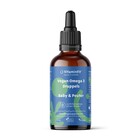
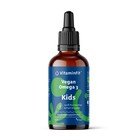
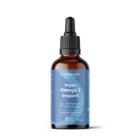
At VitaminFit, we have 100% fish-free, plant-based omega-3 drops for adults and specially developed vegan omega-3 drops for babies, toddlers and children. Find out more about these three products here: Vegan Omega-3 Drops.
Conclusion
Omega-3 is essential for our health, from a strong heart to healthy brains and eyes. Whether you eat fish or opt for a plant-based alternative, make sure you get enough to support your body. A supplement can help if you find it difficult to get enough omega-3 through your diet. Remember that a healthy lifestyle starts with the right food choices!