4 min
4 minStiff muscles are uncomfortable. They hinder you in your daily activities and can cause you to want to move less because of the uncomfortable or even painful feeling. However, exercise is so important and is often the cause of stiff muscles, especially in the back, neck and shoulders. The most important question is therefore: how do you get rid of it?
In this article, you will read:
- What causes stiff muscles
- Three easy steps to get rid of stiff muscles
- Why magnesium is important for your muscles

Causes of stiff muscles and joints
Do you suffer from stiff muscles and joints? This can have various causes. The most common are:
- excessive exercise;
- too intense exercise;
- lack of exercise;
- sitting in the same position for a long time, for example when working from home behind a laptop or doing office work;
- an unbalanced diet;
- dehydration;
- stress;
- ageing
If your stiff muscles are caused by excessive or intensive exercise, we recommend following these three steps. This will help you get rid of the unpleasant feeling in your muscles as quickly as possible. Do you suffer from a stiff back and neck due to working from home or in the office? Then step 2 will be particularly helpful.
Step 1: Give your muscles a rest
Overuse is a common cause of stiff muscles and painful joints. You probably recognise this from the muscle pain you experienced after moving house or after a week of winter sports. These are cases where you have exerted yourself more than your body is used to. Unfortunately, stiff muscles and joints are often the result. Why is that?
During prolonged or intensive exercise, your muscles use a lot of energy and need a lot of oxygen. If there is not enough energy and oxygen available in your body, your muscles produce lactic acid. This is the beginning of stiffness. This feeling usually starts in the hours or days after strenuous exercise. The muscle pain lasts for several days.
At such times, your muscles crave rest in order to recover. This can be rest in the form of relaxation, but even more important is active rest. This also contributes to recovery. Think of walking, swimming, yoga or cycling. It is important that you do this at a leisurely pace and not for too long. Twenty to thirty minutes is sufficient. This stimulates blood flow in your muscles. After a few days, the unpleasant feeling in your body will disappear and your body will be ready for light exercise again.
Read also: Did you know that active relaxation is best?
2. Do some stretching exercises
A good warm-up and cool-down before and after your workout are always a good idea. A light warm-up keeps your muscles supple and pain-free. This warm-up prepares your muscles for exercise. Blood flow improves and your muscles are supplied with energy and oxygen.
A good cool-down gently winds down the exertion. In about ten minutes, with walking or stretching exercises, the blood flow to your muscles remains stable. This gives your body the chance to remove the accumulated lactic acid, which causes stiff muscles and painful joints.
Repeat the stretching exercises regularly if you suffer from stiff muscles, not just immediately after your workout.
3. Take magnesium
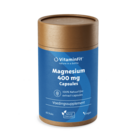
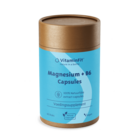
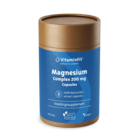
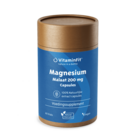
Magnesium plays an important role in the normal functioning of muscles. Our body stores 60% in our bones and 25% to 30% in our muscles. To stay healthy, women need about 300 mg of magnesium per day and men 350 mg. In some situations, the recommended daily amount is higher, such as during pregnancy or after an intensive workout.
Magnesium is one of the most important minerals that our bodies cannot produce themselves. It is an important mineral that helps maintain supple and strong muscles.
Conclusion
Stiff muscles are obviously not pleasant, but fortunately, you don't have to put up with them! With three simple steps, such as resting, stretching, and maintaining your magnesium levels, you'll be moving smoothly again in no time. So put on those walking shoes, do a few yoga exercises, and enjoy some active relaxation. Your muscles will thank you!