3 min
3 minCongratulations, you have become the mother of a little miracle. It is overwhelming. Overwhelmingly beautiful and also overwhelming in terms of information. What is really important for your baby's health? Fortunately, it is not much: nutrition, vitamins and lots of love.
In this article, you will read:
- Why breastfeeding is the best choice
- What you need to know about formula feeding
- What vitamins your baby needs
- The importance of love and bonding
- Why you should also think about yourself

Breastfeeding
Breast milk contains almost everything your baby needs. Your body adjusts the composition of the milk precisely to your baby's needs. This ensures that your baby gets exactly what he or she needs.
Breastfeeding offers unique benefits for both babies and mothers. It contains essential nutrients such as proteins, fats, carbohydrates, vitamins and minerals, which support the baby's growth and development. A crucial difference with formula feeding is that breast milk also contains immune-boosting substances, such as antibodies, which help protect against infections and diseases. Studies show that exclusive breastfeeding during the first six months significantly reduces the risk of infectious diseases, such as respiratory infections and gastrointestinal problems. In addition, breastfeeding reduces the risk of conditions such as obesity, asthma and diabetes later in life (Chantry et al., 2006; Duijts et al., 2010; Lopez-Roa et al., 2023).
Bottle feeding
If you are unable or unwilling to breastfeed, you can opt for bottle feeding/formula feeding. Fortunately, in the United Kingdom, we have very good formula that mimics the composition of breast milk as closely as possible. The brand of formula you use does not matter much.
In the Netherlands, all formula milk for children under six months (called complete infant formula) must comply with strict laws. The composition of cheaper and more expensive brands is virtually the same.
Recommended viewing: this episode of De Keuringsdienst van Waarde about formula milk. The guideline for formula milk is approximately 150 ml per kilo of body weight.
Vitamins
In addition to its nutrition, a newborn baby needs extra vitamin D and vitamin K. During the first week after birth, your baby still has sufficient reserves from your placenta. After about eight days, this amount will have been used up by its body and will need to be replenished.
Babies who are breastfed need 150 mg of vitamin K drops for the first three months. Vitamin K is already added to formula. Supplementation is only necessary if your baby drinks less than 500 ml of formula per day. For the first four years of their life, your baby needs 10 mg of extra vitamin D.
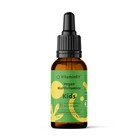
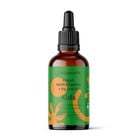
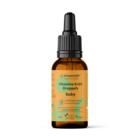
We have developed our Vitamin K + D3 Drops especially for your baby. One bottle is enough from day 8 to 3 months.
Lots of love
Besides nutrition and extra vitamin D and K, your child needs nothing but love. A baby develops best when he feels loved and knows he is safe. A baby is vulnerable and completely dependent. That is why he instinctively behaves in a way that promotes bonding.
A baby wants to be close to you or your partner. Carrying and cuddling your baby a lot helps promote bonding.
The hormone oxytocin plays a major role. This hormone is also known as the cuddle hormone. After giving birth, your hormone balance changes permanently. You have more oxytocin than women who are not mothers. This hormone promotes the bond with your baby and ensures good and secure attachment.
Consider your own health
After the birth of your baby, your health is just as important as your child's health. Although you probably cannot think of much else other than your child, it is important to consider yourself as well.
Most parents struggle with sleep deprivation in the first few weeks or months. Lack of sleep makes you more susceptible to illness, so it is especially important to boost your immune system. Make sure you get enough immune-boosting vitamins, namely vitamin C and vitamin D.
You need 80 mg of vitamin C every day and you can certainly benefit from the recommended 10 micrograms of vitamin D per day. Breastfeeding mothers need more extra vitamins in addition to vitamins C and D (Jouanne et al., 2021). Breastfeeding requires a lot of energy from your body. You can quickly become deficient in nutrients. You need to eat more and drink more.
If you are breastfeeding, you need about 50% more vitamin A and vitamin C and about twice as much iodine and zinc. You also need omega 3, iron and folic acid (Jouanne et al., 2021). The recommended 400 mg of folic acid is too much to get from food alone. That is why a supplement is recommended.
Conclusion
You have read everything you need to know about the health of your newborn baby! The bottom line is that breastfeeding, with all its nutrients and antibodies, is a wonderful natural way to feed and protect your little one. But if breastfeeding is not your choice, rest assured: bottle feeding in the UK is an excellent alternative. Don't forget to always give your baby those important vitamins D and K, and don't underestimate how much love your child needs!
And as a new parent, don't forget: you need care too. So make sure you feed and care for yourself just as well, so that you have the extra energy you need.