4 min
4 minDid you know that vitamin B1 is an essential link in your body's energy metabolism? This powerful vitamin, also known as thiamine, ensures that carbohydrates are efficiently converted into energy, among other things. But that's not all! Vitamin B1 also has other important functions, which you will discover in this guide. Thiamine is part of the powerful vitamin B complex and works together with other B vitamins to provide optimal support for your body.
In this article, you will learn
- What vitamin B1 is and why it is so important
- The different forms of vitamin B1
- How vitamin B1 contributes to energy production, the nervous system and heart health
- Where to find vitamin B1 in food
- What the symptoms of a deficiency are and whether an excess is possible
- Whether you can benefit from a vitamin B1 supplement

What is vitamin B1 and what is it good for?
Vitamin B1, or thiamine, is a water-soluble vitamin that your body needs every day to function properly. Vitamin B1 is vital for various bodily functions, including:
- Energy production: Thiamine helps your body convert carbohydrates into energy. It ensures that glucose, the main fuel for your cells, is used efficiently.
- Nervous system: Thiamine supports the functioning of your nerves. It helps transmit signals between your brain and the rest of your body.
- Heart health: Thiamine supports a healthy heart by promoting the functioning of your blood vessels and heart muscle.
Forms of vitamin B1
Vitamin B1 exists in various forms, but the biologically active form used by the body is thiamine. There are two main forms of thiamine:
- Thiamine pyrophosphate (TPP): This is the co-enzymatic form of vitamin B1 and plays an important role in enzymatic reactions in the body, such as in the metabolism of carbohydrates.
- Thiamine mononitrate: This form is often used in dietary supplements and fortified foods. This is because it is a more stable form than the pure form of thiamine.
Vitamin B1 in food
Vitamin B1 is found in various foods. Some sources are:
- Whole grains and products, such as brown rice, wholemeal bread and wholemeal pasta.
- Legumes, such as beans, lentils and peas.
- Nuts and seeds, such as sunflower seeds and peanuts.
- Pork and organ meats, such as liver.
- Fish, such as salmon and tuna.
Vitamin B1 deficiency
A vitamin B1 deficiency can have unpleasant consequences for your health. Symptoms of a deficiency can include:
- Fatigue and weakness
- Loss of appetite
- Digestive problems
- Memory and concentration problems
- Mental instability (such as irritability or feelings of depression)
Causes of a deficiency can vary. People who consume a lot of caffeine or alcohol, use diuretics or take contraceptive pills are at greater risk of a deficiency. Heavy physical exertion can also lead to an increased need for vitamin B1.
Vitamin B1 excess
An excess of vitamin B1 through diet is rare because it is a water-soluble vitamin. This means that your body easily excretes excess amounts through urine. There are no known serious side effects of excessive intake of vitamin B1 from food.
Recommended amount
Recommended daily amount for adults:
- Men and women: 0.1 mg per MJ of energy*
- Pregnant women: 0.1 mg per MJ of energy*
- During breastfeeding: 1.7 mg
* Because the amount of thiamine you need depends on the energy (amount of calories) you consume, the Health Council of the Netherlands has specified the value in milligrams per amount of energy since 2018.
Recommended daily intake for babies, toddlers and children:
- From 0-1 year: 0.2 mg
- From 1-3 years: 0.3 mg
- From 4-8 years: 0.5 mg
- From 9-13 years: 0.8 mg
- From 14-17 years: 1.1 mg
No acceptable upper limit has been set for vitamin B1.
Need a vitamin B1 supplement?
For many people, it is sufficient to obtain vitamin B1 from a healthy and varied diet. However, in certain situations, such as during pregnancy, intensivephysicalexercise or when taking certain medications, it may be useful to take extra vitamin B1.
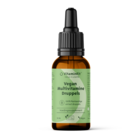
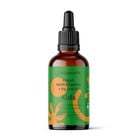
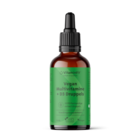
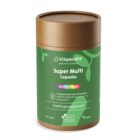
If you often feel tired or have other symptoms that may indicate a deficiency, a vitamin B1 supplement may be a good choice. In addition, our food today contains fewer nutrients than it used to, which can make it more difficult to get everything you need from your diet. If you find it difficult to eat healthily or do not always get enough nutrients, a supplement can be a useful tool to give your body the vitamin B1 it needs. Choose a multivitamin that contains all the B vitamins, as they work together.