4 min
4 minDo you recognise that feeling that your hormones have a life of their own? If you want to get pregnant, restoring your hormonal balance plays an important role. In this blog, we take a closer look at the role of hormones in conception and how nutrition and lifestyle choices can influence and restore hormonal balance. Because let's be honest, the path to pregnancy is unique for everyone, and it all starts with understanding and harmonising our inner chemistry!
In this article, you will read about:
- The role of hormones in fertility
- What a hormonal imbalance is and how it can affect you
- The importance of nutrition and lifestyle for hormonal balance
- Tips for a healthy lifestyle and supplements when trying to conceive

Hormones and fertility
In order to become pregnant, a series of events must take place in the female body. Hormones play a central role in this process. One of the most important hormones for fertility in women is oestrogen. Oestrogen regulates the build-up of the uterine lining and ensures the maturation of the eggs. Progesterone is another essential hormone, which supports the build-up of the uterine lining and maintains pregnancy.
In men, testosterone is vital for the production of healthy sperm. In addition, hormones such as LH (luteinising hormone) and FSH (follicle-stimulating hormone) play a role in sperm production.
Hormonal imbalance and fertility
A hormonal imbalance can affect fertility and reduce the chances of conception. In women, conditions such as polycystic ovary syndrome (PCOS), in which too many male hormones are produced, can disrupt ovulation. In men, low testosterone levels can affect sperm quality.
In addition to medical conditions, diet and lifestyle choices can also disrupt hormonal balance. Excessive stress, unhealthy diet, lack of exercise and exposure to environmental pollutants can all contribute to hormonal imbalance. In women, being underweight or overweight can also disrupt hormones, which can reduce fertility.
The importance of diet and lifestyle in hormonal balance and fertility
Fortunately, there are steps you can take to restore your hormonal balance:
- Healthy diet: eat a balanced diet with plenty of vegetables, fruit, whole grains and lean proteins. Nutrients such as folic acid, iron and omega-3 fatty acids are particularly important for both men and women.
- Weight management: try to maintain a healthy body weight. Both being overweight and underweight can disrupt hormonal balance.
- Stress management: stress can disrupt hormonal balance. Look for effective ways to reduce stress, such as meditation, yoga or relaxation techniques.
- Exercise: regular exercise can help maintain a healthy weight and thus promote hormonal balance.
- Avoid harmful substances: limit exposure to hormone-disrupting substances, such as BPA, which are found in some plastics and household products.
- Consult a specialist: if you are having difficulty conceiving or suspect that you have hormonal problems, consult a fertility specialist.
Supplements when trying to conceive
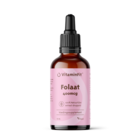
Women who want to conceive are advised to take 400 micrograms of folic acid/folatein the form of a supplement every day. This amount is separate from the amount of folic acid you get from your diet. It is important to start taking folic acid approximately 4 weeks before possible conception. It is no longer necessary from the 10th week of pregnancy.
In our Vitamin Guide, we discuss other vitamins and minerals that ensure your body is optimally prepared for pregnancy.
Conclusion
It is clear that the path to pregnancy is not just about biology, but also about the choices you make in your daily life. By being aware of your hormonal balance and the influence of nutrition and lifestyle, you can take steps towards a healthier future.
Creating an environment that supports conception starts with small, achievable changes that can make a big difference. Every step forward is a step closer to your goal. Take the time to listen to your body and seek the support you need, both professionally and personally.