3 min
3 minIodine: an important mineral that we can only obtain through food. There are a number of foods that naturally contain iodine. Unfortunately, however, there are not many.
That is why it is extra important to know which ones they are, so that you get enough iodine! Discover them in the blog below.
In this article, you will read
- What iodine does for your body
- Which foods are rich in iodine
- How you can prevent iodine deficiency
Why do we need iodine?
Iodine is essential for your body, especially for thyroid function. The thyroid gland produces hormones that regulate metabolism and influence growth and development. An iodine deficiency can lead to thyroid problems and a disturbed metabolism. But which foods actually contain iodine?
Foods containing iodine
Seaweed
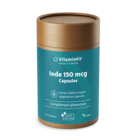
Seaweed, such as kelp and nori, is one of the richest natural sources of iodine. Our iodine supplements contain iodine from 100% plant-based kelp.
Fish and shellfish
Fish, especially sea fish such as cod, tuna and cod liver, are excellent sources of iodine. Shellfish such as prawns, mussels and oysters are also among the foods richest in iodine.
Dairy
Dairy products such as milk, yoghurt and cheese are good sources of iodine. So, be sure to have a glass of milk with breakfast or a bowl of yoghurt as a snack!
Eggs
Eggs are very nutritious and also rich in iodine. However, be mindful of your cholesterol and don't overdo it!
Table salt with iodine
In some countries, table salt is enriched with iodine to prevent deficiencies. Using iodised salt in cooking and table salt can be an easy way to ensure you get enough iodine. In addition, baker's salt, which is also enriched with iodine, is often added to bread in the United Kingdom.
Do you eat few of the above products? Then you may be at risk of iodine deficiency! Vegetarians and vegans also often overlook this important mineral. An iodine deficiency can be recognised by various symptoms.