Omega-3 fatty acids are known for their powerful health benefits, from promoting a healthy heart to supporting brain function. But how can you be sure you are choosing the best quality? It's not just about what's in the oil, but also about the Totox value. In this article, we explain why the Totox value is essential when choosing your Omega-3 supplement.
In this article, you will learn:
- What omega-3 fatty acids are
- How omega-3 fatty acids contribute to your health
- The difference between omega-3 from fish oil and from plant sources
- What the Totox value indicates and why it is so important

What are omega-3 fatty acids?
Omega-3 fatty acids are essential fats that the body cannot produce itself, which means that we must obtain them through our diet or supplements. The most important forms of omega-3 are alpha-linolenic acid, (ALA), eicosapentaenoic acid (EPA) and docosahexaenoic acid (DHA). ALA is plant-based and can be found in foods such as flaxseed and walnuts. EPA and DHA are usually extracted from oily fish such as salmon and mackerel.
What are the benefits of omega-3?
Omega-3 fatty acids play an important role in heart health, brain health and overall development:
- Alpha-linolenic acid (ALA) is an essential omega-3 fatty acid of plant origin. A diet rich in ALA can help reduce the risk of coronary heart disease.
- Docosahexaenoic acid (DHA) is an important building block for the brain and contributes to the maintenance of normal brain function. DHA also supports the maintenance of normal vision.
- Eicosapentaenoic acid (EPA) works together with DHA and together these fatty acids contribute to the normal functioning of the heart. In addition, EPA and DHA help maintain normal blood pressure and regulate triglyceride levels in the blood.
How much omega-3 should I take daily?
To date, no official reference intake has been established for the amount of EPA and DHA per day. However, most health organisations agree that 200-500 mg of omega-3 per day (combined EPA and DHA) is sufficient for healthy adults. However, the recommended daily amount of omega-3 may vary depending on your health, age and diet. Omega-3 during pregnancy and breastfeeding is essential for both mother and child. During this phase, it is recommended to take 350-450 mg of DHA + EPA (total) per day. For children, the recommended daily amount depends on their age.
What is the difference between omega-3 from fish oil and plant sources?
The difference between omega-3 from fish oil and omega-3 from algae oil lies mainly in the source of the oil, the composition of the omega-3 fatty acids and the impact it has on the environment:
Fish oil mainly contains EPA and DHA, the two omega-3 fatty acids that can be used directly by the body. Plant sources of omega-3 such as linseed, chia seeds, walnuts and hemp seeds mainly contain ALA.
An exception to this is algae oil. Algae oil is extracted from microalgae, the original source of omega-3 fatty acids for fish. Algae and algae oil are a good source of EPA and DHA, in slightly different proportions than fish oil. Algae oil is not only good for those who follow a plant-based diet, it can also be more sustainable and environmentally friendly than fish oil.
Since algae are the direct source of DHA and EPA, there is no need to burden fish populations, making it a more sustainable alternative to fishing and the marine ecosystem. Algae oil therefore has the benefits of omega-3 without the ecological impact of the fishing industry.
What is the Totox value and why is it important for omega-3 products?
The TOTOX (total oxidation values) value is a measure of the oxidative stability of omega-3 fatty acids in oils. It indicates how well an oil resists oxidation, which can lead to harmful substances such as free radicals. A higher Totox value means that the oil is less stable and can spoil more quickly, which can reduce the quality and health benefits of the omega-3 fatty acids.
The Totox value is also an indication of the freshness of omega-3 oil. A fresher oil is less likely to oxidise quickly, allowing you to get the most out of the health benefits of omega-3 fatty acids. Oxidation can reduce quality and possibly have undesirable effects. Choosing omega-3 products with a low Totox value ensures that you are getting the best quality oil.
What is the Totox value of our omega-3 algae oil?
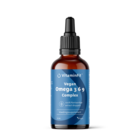
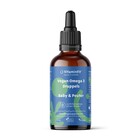
At VitaminFit, we choose products with natural plant-based omega-3, namely algae oil. The natural, non-GMO algae (Schizochytrium sp.) are sustainably cultivated in our own internal process with multiple production locations within Europe, making them free from environmental and marine pollution.
The Totox value of our omega-3 products is 7, which is significantly lower than the European guideline of 30. The guideline of the Global Organisation for EPA & DHA is a maximum of 26. It is important to note that the Totox value can fluctuate after opening, so it cannot always be specified exactly.
When purchasing our raw materials, the focus is on the highest quality. We always use freshly pressed oils for our oil-based products and carefully check the laboratory test results. All raw materials comply with EU legislation and are free from contaminants. That is why we take special care in the production of our products, so that you can rely on supplements of the highest quality and purity.
In conclusion
By choosing omega-3 with a low Totox value, you are ensuring that you get the best quality and freshness. With attention to pure raw materials and a careful production process, you get the most out of your supplement. This way, you naturally support your heart, brain and overall health!