2 min
2 minThe vegetarian and vegan lifestyles are more popular than ever. In recent years, extensive research has also shown that a vegetarian or vegan diet can offer many health benefits. However, it is important to pay close attention to certain nutrients when following these diets. In this article, we discuss which nutrients these are and how you can prevent deficiencies.
In this article, you will read
- Why a vegetarian or vegan lifestyle can be healthy
- Which nutrients you should pay attention to as a vegetarian or vegan
- How you can prevent deficiencies through nutrition and supplements
- Why vegan multivitamins can be a good supplement
Why choose a plant-based diet?
There are several reasons why people choose a plant-based, vegetarian or vegan diet. Animal welfare is an important motivation for many. In addition, protecting the environment plays a major role: the production of meat and dairy has a much greater ecological impact than growing vegetables, fruit and grains. Replacing animal products with plant-based alternatives reduces greenhouse gas emissions, helps preserve forests and reduces water and energy consumption.
Is a plant-based diet healthy?
Although many people consider a plant-based diet to be a healthier choice, it is important to understand that the healthiness of this diet depends on the right nutritional balance. A varied and balanced plant-based diet can be rich in antioxidants, fibre, healthy fats, vitamins and minerals. However, because a vegan diet excludes certain food groups, such as meat, fish, eggs and dairy, these nutrients must be replaced in other ways. It is essential to ensure that you get all the necessary vitamins and minerals so that your body can function optimally.
Essential Vitamins and Minerals for Vegans and Vegetarians
A plant-based diet can be healthy and nutritious, but it is important to pay extra attention to certain nutrients that are abundant in animal products. Here are a few points to keep in mind:
- Proteins: Proteins are the building blocks of the body, important for building and repairing tissues, supporting the immune system and maintaining healthy muscle mass. While animal proteins contain all essential amino acids, vegetarians and vegans need to combine different plant-based protein sources to obtain a complete amino acid profile. Examples of plant-based proteins include beans, lentils, quinoa, tofu, tempeh and nuts.
- Iron: Iron is essential for oxygen transport in the blood and for cognitive function. Animal products such as meat and fish are the main sources of heme iron, which is more easily absorbed by the body. Plant-based sources of iron, such as lentils, chickpeas, quinoa, pumpkin seeds and dark green leafy vegetables, contain non-haem iron, which is less easily absorbed. However, iron absorption can be improved by combining iron-rich foods with vitamin C-rich foods, such as citrus fruits, peppers and broccoli.
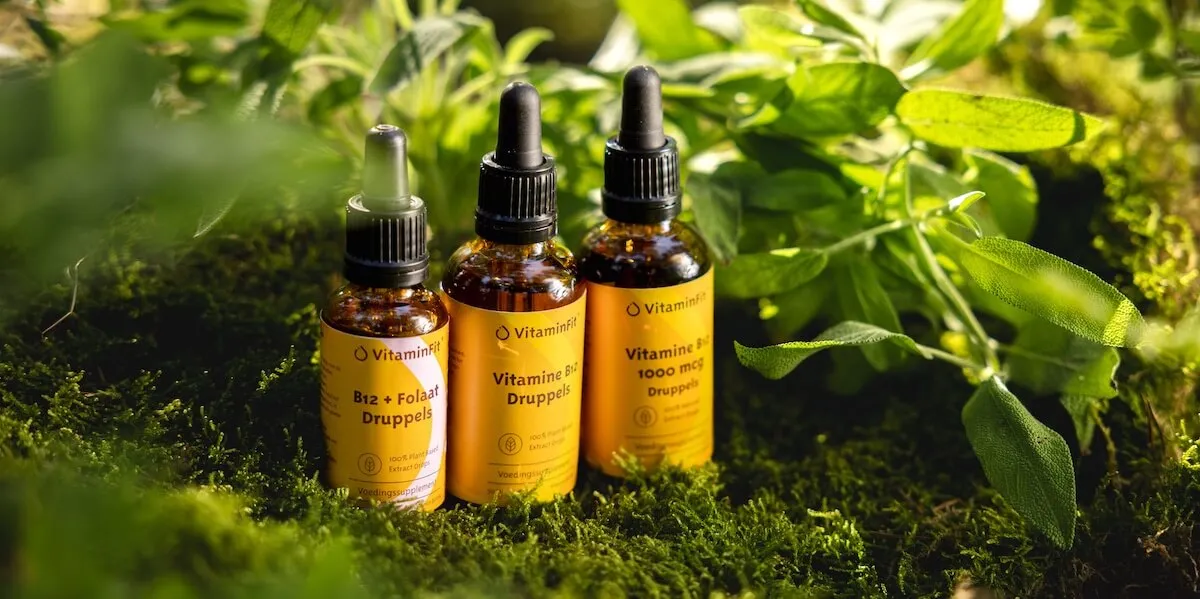
- Vitamin B12: Vitamin B12 plays a crucial role in the functioning of the nervous system, the production of red blood cells and the prevention of anaemia. Since vitamin B12 is found almost exclusively in animal products, it is essential for vegans to take B12 through supplements or fortified products. Vegetarians who eat dairy and eggs may still be able to get enough B12, but vegans need to take supplements.
Absorbing vitamin B12 from food is more effective than from a supplement, because the natural form of B12 in food is better processed by the body. When using a supplement, absorption is often less efficient, because the body is less able to absorb it without the help of other substances that are naturally present in food.
In addition, when taking vitamin B12, it is important to consider taking extra folate (vitamin B9 or B11). Folate helps convert vitamin B12 into an active form, which is necessary for it to function properly in the body. A folate deficiency can reduce the effectiveness of B12 and can even lead to anaemia or other health problems. Folate is found in green (leafy) vegetables, legumes, fruit and whole grain products. - Calcium: Calcium is important for building and maintaining strong bones and teeth. Plant-based diets often contain less calcium than diets that include dairy products, so it is important to find alternative plant-based sources of calcium. Green leafy vegetables such as kale and broccoli, tahini, almonds, tofu, and fortified plant-based milks are good sources of calcium. It is important to ensure adequate calcium intake, as this mineral is essential for bone health.
- Vitamin D: Vitamin D supports calcium absorption and is essential for a healthy immune system and muscle function. Because vitamin D is mainly found in fatty fish and is produced by the skin when exposed to sunlight, it can be difficult for vegans to get enough vitamin D. It is therefore important to choose fortified plant-based milk or vitamin D supplements, especially in the winter months when there is less sunlight.
- Omega-3: Omega-3 fatty acids, which are essential for heart, brain and eye health, occur naturally in oily fish. In a plant-based diet, you can obtain omega-3 from sources such as flaxseed, chia seeds, walnuts and hemp seeds. These plant sources contain ALA (alpha-linolenic acid), which the body can convert into the active forms EPA and DHA, but the conversion is not as efficient as with fish. To ensure you get enough omega-3, consider taking algae oil supplements, which are rich in EPA and DHA.
Vegan multivitamins as a supplement
Multivitamins can be a valuable supplement for many vegans and even vegetarians to make up for any deficiencies. In addition to the vitamins in a multivitamin, such as iron and B12, make sure you also take separate omega-3 supplements.
Also, make sure that the multivitamin you buy is actually vegan! Sometimes it may contain gelatin or other animal-based fillers. Our multivitamins are 100% plant-based and contain no additives. A natural multivitamin is a better choice than a synthetic one.
Conclusion:
A well-planned plant-based diet can provide all the nutrients you need for a healthy lifestyle. However, it is important to pay extra attention to certain vitamins and minerals, such as vitamin B12, iron, calcium, vitamin D and omega-3 fatty acids, and to take supplements if necessary.
Do you have questions about supplementing your diet with the right vitamins and minerals? Feel free to contact us for expert advice!