2 min
2 minDuring the special period of pregnancy, it is not only important to take good care of yourself, but also to consider the nutrients your unborn child needs! In this blog, we zoom in on the nutrient iodine:
In this article, you will read
- Why iodine is important during pregnancy
- What an iodine deficiency can mean for your child's development
- How to get enough iodine
Why is iodine important during pregnancy?
Iodine is a mineral that occurs naturally in a number of foods and is an essential component of thyroid hormones. These hormones regulate metabolism and are particularly important for the development of the foetus's brain and nervous system, especially during the first trimester of pregnancy.
In addition, pregnant women, women who want to become pregnant and women who are breastfeeding have a higher need for iodine, as much as 50% more than the average adult. For this reason, this target group is at higher risk of iodine deficiency.
Foetal development and iodine deficiency
Iodine deficiency during pregnancy can lead to serious problems in foetal development, including:
- Cognitive disorders: iodine is essential for brain development. A lack of iodine can lead to cognitive disorders in the baby, including a lower IQ.
- Growth problems: insufficient iodine can lead to growth problems in the baby, resulting in low birth weight and other complications.
- Thyroid abnormalities: a severe iodine deficiency can cause congenital hypothyroidism, which can cause lifelong thyroid problems in the baby.
Getting enough iodine
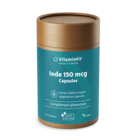
Iodine is found in various foods, such as seafood, dairy products, eggs and iodised salt. Seafood, especially seaweed, is an excellent source of iodine, but milk, cheese, yoghurt and eggs also contain this mineral. In some countries, products such as bread and breakfast cereals are even enriched with iodine. If it is difficult to get enough iodine from your diet, iodine supplements can be a good addition to maintain your intake.