3 min
3 minWhen it comes to calcium, most people immediately think of milk, yoghurt and cheese. This makes sense, as dairy products are known to be a good source of calcium. However, calcium is found in many other products, including plant-based foods! Whether you follow a lactose-free diet, are vegan or simply want to vary your diet, there are plenty of alternatives for getting your calcium intake. In this blog, we list the most important calcium-rich foods for you.
In this article, you will read
- What calcium is and why it is important
- Which foods are rich in calcium
- Ways to get enough calcium
- What is important to consider when consuming calcium

What is calcium and why is it important?
Calcium is an essential mineral that your body needs for numerous vital functions. It is best known as the building block for strong bones and teeth, as approximately 99% of the calcium in your body is stored there. The remaining 1% plays an important role in your muscles, nerves and blood clotting.
Calcium is not only important for building strong bones and teeth (especially when you are young), but also for keeping your bones strong as you age – it even helps prevent osteoporosis. In addition, your body needs calcium to move properly, keep your muscles working and your heart beating. If you don't get enough, you may suffer from muscle cramps or weaker bones. Fortunately, you can go a long way with the right diet.
Foods high in calcium
Because your body does not produce calcium itself, it is important to get enough calcium every day through food or supplements. These foods are high in calcium:
The classic: dairy products
When you think of calcium, you probably immediately think of milk and cheese. And rightly so, because dairy is still one of the best-known sources of this important mineral. A glass of milk, for example, contains around 300 mg of calcium, and yoghurt is also a good choice. Cheese is no less important – hard cheeses such as Parmesan or cheddar often contain even more calcium per 100 grams.
Green leafy vegetables
Green leafy vegetables also deserve a place in the spotlight. Kale is a real frontrunner among vegetables, with around 180 mg of calcium per 100 grams. Broccoli and spinach also make a nice contribution.
Nuts and seeds
Nuts and seeds contain a lot of calcium. Almonds, sesame seeds (think tahini!) and hazelnuts in particular are surprisingly rich in calcium. Add them to your breakfast, salad or as a snack between meals.
Fish
When you think of calcium, fish may not immediately come to mind, but some types of fish are surprisingly good sources! Fish where you eat the bones, such as sardines or tinned salmon, are particularly rich in calcium. The bones are soft enough to eat and are packed with this mineral. A serving of sardines with bones provides around 300–400 mg of calcium per 100 grams. Fish also contains lots of healthy omega fatty acids.
Tofu
Tofu, made from soybeans, is not only a great source of plant-based protein, but did you know that certain types of tofu are also packed with calcium? Tofu that has been curdled with calcium salts – often labelled “calcium curdled” on the packaging – provides a substantial dose of this important mineral. One serving (about 100 grams) of this tofu contains on average between 200 and 350 mg of calcium. That's comparable to a glass of milk! Tofu is also extremely versatile: you can fry it, grill it, marinate it or add it to curries, salads and noodle dishes. This makes it ideal if you want to get enough calcium from a plant-based diet.
When is a calcium supplement necessary?
In principle, you can get enough calcium from a varied diet, but sometimes a supplement is a nice extra. For example, if you eat little or no dairy, live a completely plant-based lifestyle, or if your body has an extra need for calcium, such as during menopause, pregnancy, or bone decalcification (osteoporosis). If in doubt, always consult your doctor or dietitian.
Calcium and vitamin D3: the golden duo for strong bones
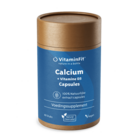
Calcium is essential for strong bones and teeth, but did you know that without sufficient vitamin D3, your body absorbs much less calcium? These two nutrients form a powerful team: calcium provides the building blocks, while vitamin D3 ensures that your body actually absorbs the calcium and processes it in your bones. Vitamin D3 stimulates the absorption of calcium in the intestines and promotes healthy bone structure. That is why they are often offered together in supplement form.
Please note: while vitamin D supports calcium absorption, iron can do the opposite. If you take large amounts of iron and calcium at the same time, they can interfere with each other's absorption. This happens especially with supplements, but also with highly fortified foods. That is why it is wise to take iron- and calcium-rich products at different times of the day, so that your body can benefit optimally from all the nutrients.
Conclusion
You really don't have to eat cheese or drink litres of milk every day to get enough calcium. There are plenty of other foods – from green vegetables to nuts, tofu and fish – that help you maintain your calcium levels. By varying your diet and combining different sources, you can easily ensure a varied and calcium-rich diet. Make sure you also get enough vitamin D to absorb calcium properly, and try to eat iron-rich and calcium-rich products at different times so that they don't interfere with each other.