3 min
3 minOmega-3 fatty acids are essential for good health. They are important for your heart, brain and reducing inflammation. It is often recommended to eat oily fish such as herring or salmon to get enough omega-3. However, this can be difficult for vegans and vegetarians. Did you know that there are also plant-based sources of omega-3? Discover the 7 best options that you can easily incorporate into your diet below!
In this article, you will read
- What omega-3 fatty acids are
- What 7 plant-based sources of omega-3 there are
- What the recommended daily intake of omega-3 fatty acids is
What are omega-3 fatty acids?
Omega-3 fatty acids are essential polyunsaturated fatty acids that the body cannot produce itself and must therefore be obtained through food or supplements. The most important forms are alpha-linolenic acid (ALA), eicosapentaenoic acid (EPA) and docosahexaenoic acid (DHA). EPA and DHA contribute to normal heart function, brain function and the maintenance of normal vision. ALA supports, among other things, the health of the cardiovascular system. Omega-3 fatty acids therefore play an important role in maintaining good health.
Plant-based foods: where can omega-3 be found?
#1 Algae oil
Algae oil is unique as a plant-based source of omega-3 because it contains both DHA and EPA, the two most important omega-3 fatty acids that the body can use directly. Oily fish obtain these fatty acids by eating algae. This makes algae oil an excellent, pure and sustainable source of omega-3, without the risk of contaminants such as heavy metals that are sometimes found in fish. It is an ideal alternative for people who eat a plant-based diet or are allergic to fish.
#2 Hemp seeds
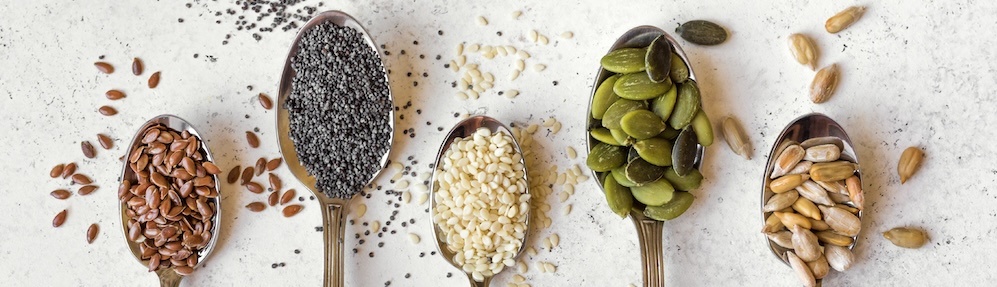
Hemp seeds are a real superfood for good reason; they are packed with nutrients. In addition to high-quality proteins, magnesium, zinc and iron, they contain a good amount of omega-3 fatty acids in the form of alpha-linolenic acid (ALA). Hemp seeds can easily be added to salads, smoothies or yoghurt.
#3 Nuts
Nuts are not only tasty, but also nutritious. Walnuts in particular are a well-known source of ALA, a plant-based omega-3 fatty acid. Other nuts such as pecans, pistachios, peanuts, hazelnuts and almonds also contain healthy fats, although they provide less omega-3 than walnuts. Eating a handful of nuts a day can contribute to a healthy fat profile in your diet and supports your heart health, among other things.
#4 Chia seeds
Chia seeds are a versatile superfood with an impressive nutritional profile. Not only are they high in fibre and protein, they also contain a significant amount of ALA omega-3 fatty acids. In addition, they are rich in magnesium, calcium, vitamins and antioxidants. Chia seeds absorb a lot of moisture and form a gel-like substance, making them ideal for adding to breakfast, smoothies or for making chia pudding.
#5 Walnut oil
Walnut oil is a tasty and healthy alternative for getting omega-3, especially in the form of ALA. The oil has a mild, nutty flavour that goes well with salads, vegetables and cold dishes. Because omega-3 fatty acids are sensitive to heat, it is advisable to use walnut oil cold and not to heat it.
#6 Green vegetables
Believe it or not, omega-3 can even be found in various green vegetables. These include Brussels sprouts, purslane and lamb's lettuce. It may not be much, but if you eat at least 200 grams of green vegetables every day, it's still a nice bonus. They also contain other important nutrients such as vitamins, minerals and fibre.
#7 Perilla oil
It may not be widely known, but don't underestimate the benefits of perilla oil. Approximately 60 to 65% of this oil consists of ALA, making it one of the richest plant sources. The oil is extracted from the seeds of the perilla plant and is delicious as a seasoning on salads or cold dishes.
Recommendations for omega-3 fatty acids
The European Food Safety Authority (EFSA) provides advice on nutrients and how much we need each day. They look at the current science and make recommendations. However, there is still some uncertainty about the exact amount of omega-3 fatty acids we need. That is why an adequate intake has been established; a guideline that is likely to be sufficient for most people:
Age group | Daily |
Babies/toddlers 7 months* up to 1 year | 100 mg DHA |
Children from 2 years | 250 mg EPA + DHA total |
Adults | 250-500 mg EPA + DHA total |
Pregnant and breastfeeding women | at least 350-450 mg EPA + DHA total |
* For babies under 7 months, it is assumed that they get enough omega-3 through breast milk or formula. If the mother's omega-3 status was insufficient, it is wise to consider an omega-3 supplement.
It is certainly possible to consume too much omega-3, so be mindful of your intake.
Conclusion
It is certainly possible to obtain omega-3 without consuming fish! By utilising plant-based sources such as chia seeds, hemp seeds, and algae oil, you can easily obtain the fatty acids your body requires.
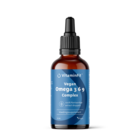
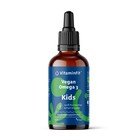
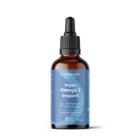
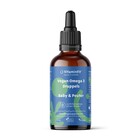
A vegan supplement based on algae oil is also an excellent choice for those who do not eat enough fish, as it directly provides the important DHA and EPA fatty acids without the disadvantages of fish.
So, whether you are vegan, vegetarian, or just someone who occasionally skips fish, there are plenty of options to meet your omega-3 needs. Make sure you vary your diet and consider a supplement if you suspect you may be deficient.