3 min
3 minWhen it comes to getting omega-3, many people still think of oily fish. The supplement fish oil is not called that for nothing: oily fish is indeed a good source of omega-3.
But if you prefer not to eat animal products, there are alternatives. Do you know the eight plant-based sources of omega-3? And do you know the difference between omega-3, 6 and 9?
In this article, you will learn
- What omega-3, omega-6 and omega-9 are and what the difference is
- Where you can find plant-based omega-3
- Why omega-3 is important for your health
- How you can combine different sources of omega-3 for a healthy diet
The difference between omega-3, 6 and 9
Before we tell you which plant-based products contain omega-3, it is good to know exactly what omega-3 does for you. And oh yes, wasn't there also something called omega-6 and omega-9?
- Omega-3 fatty acids are polyunsaturated fatty acids. They are good fatty acids that our body needs. The best known are alpha-linolenic acid (ALA), eicosapentaenoic acid (EPA) and docosahexaenoic acid (DHA). ALA is plant-based, while EPA and DHA are usually extracted from fish.
- Omega-6 fatty acids, like omega-3 fatty acids, are polyunsaturated fatty acids, while omega-9 fatty acids are monounsaturated fatty acids. What does that mean? Omega-9 fatty acids have only one double bond. This distinguishes omega-3, 6 and 9 from saturated fatty acids, which are unhealthy fatty acids that have only a single bond.
Omega 6 is mainly found in vegetable oils such as sunflower oil, corn oil and soybean oil, but also in margarine, low-fat margarine and cooking fats.
Omega 9 is mainly found in nuts, nut oil, rice oil, olive oil and peanut oil.
Why and how much of the different omega fatty acids do you need?
Omega 3 fatty acids play an important role in heart function and contribute to healthy brains and eyes. For (young) children, omega 3 is very important for brain development and physical health. Pregnant women are therefore also advised to consume sufficient omega 3, from their diet but also supplemented with a supplement. There is even evidence that a severe omega-3 deficiency is linked to cardiovascular disease!
When you look for information about omega 3, 6 and 9, you will often read that it is important to have a good balance in your intake of omega 3 and omega 6 fatty acids in particular. This is also known as the omega 3/6 ratio. However, there is quite a bit of debate about this.
The plant sources of omega-3
We just told you that the omega-3 fatty acid ALA is extracted from a plant source. Flaxseed oil in particular contains a lot of ALA. In addition, the body can produce the other omega-3 fatty acids DHA and EPA from ALA. This means you can also obtain your omega-3 fatty acids from plant sources instead of eating oily fish such as mackerel, salmon, herring, sardines and trout, which are important sources of DHA and EPA.
Which plant-based products contain ALA:
- Algae oil
- Hemp seeds
- Perilla oil
- Nuts
- Chia seeds
- Rapeseed oil
- Green vegetables
Variety is important
Not all products contain the same amount of omega-3 fatty acids. Perilla oil and hemp seeds, for example, contain much more than green vegetables and nuts. But by varying and combining, you can still get a good amount.
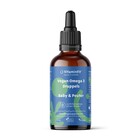
An important fact is that the DHA and EPA extracted from fatty fish species comes from the algae that fish eat. For this reason, algae and algae oil are a good source of EPA and DHA. Algae oil is used in plant-based supplements, including those from VitaminFit. This makes it a good alternative to fish oil.
Take a look at the omega 3,6,9 capsules for adults, the new omega 3 drops for adults and the omega 3 drops for children.