4 min
4 minWhen trying to conceive, the focus is often on the woman's health. However, vitamins and minerals also play an important role in male fertility. They can improve sperm quality, support hormone balance and thus increase the chances of pregnancy. Discover which nutrients and supplements are essential for improving male fertility and keeping it healthy.
In this article, you will read:
- The role of nutrition in preparing for pregnancy
- Which nutrients are important for men
- What else affects fertility
The role of nutrition in getting pregnant
A healthy lifestyle is important if you want to get pregnant, including eating the right foods. However, the nutritional needs of men and women differ when it comes to fertility. For women, nutrition mainly plays a role in maintaining hormonal balance, which increases the chances of pregnancy. Vitamins and minerals such as folic acid, vitamin D and iron are essential for this.
In men, nutrition mainly affects sperm quality. A healthy diet with the right nutrients also helps him to be ready for successful fertilisation.
Vitamins and minerals
A number of vitamins and minerals in our diet are known to play a role in fertility in both men and women. We have listed the relevant vitamins and minerals for you below:
Role in women | Role in men | |
N/A | Can improve sperm quality. | |
A deficiency can reduce the chances of a healthy pregnancy. (Important for the baby's bone development during pregnancy). | Good for sperm quality and motility. | |
Helps regulate hormones. | DHA in fish oil affects the viability and health of sperm. | |
A deficiency can reduce fertility in both men and women. | A deficiency can reduce fertility in both men and women. | |
N/A | Ensures sperm motility. | |
N/A | Contributes to sperm formation. Zinc also influences the production of the hormone testosterone. |
* Are you vegetarian or vegan? Then you can use an omega-3 supplement based on algae oil and linseed oil.
For women, it is advisable to start taking extra vitamin B11 (folic acid) before pregnancy.
Zinc and male fertility
Zinc is one of the most important minerals for male fertility. It plays a key role in the production of testosterone, sperm production and the protection of sperm cells against damage. Research shows that low zinc levels can lead to reduced sperm volume, lower sperm motility and poorer sperm quality. Zinc supplementation can improve sperm quality, especially in men with a deficiency, and thus increase the chances of fertilisation.
Vitamin D
Vitamin D plays an important role in the production of sex hormones and sperm quality. A deficiency can lead to lower testosterone levels and less motile sperm, which reduces the chance of fertilisation. Because vitamin D is mainly produced through exposure to sunlight, it is important that men who want to have children get enough sunlight or, if necessary, consider taking a supplement.
Antioxidants and their effect on sperm
Oxidative stress can cause damage to sperm cells, reducing their quality and motility. Antioxidants such as vitamin C, vitamin E, zinc and selenium protect sperm from this damage. Men can increase their intake of antioxidants by adding foods such as citrus fruits, berries, nuts, seeds and wholemeal products to their diet.
Foods that reduce sperm quality
Excessive alcohol consumption, too much caffeine and highly processed foods can negatively affect sperm quality and quantity. Trans fats and too much sugar can also disrupt hormone balance. Men who want to have children would therefore be wise to limit these products and opt for a diet rich in whole, unprocessed foods.
It's not just diet that plays a role
In addition to diet, lifestyle choices also play an important role in fertility. These include maintaining a healthy BMI, exercising for at least 30 minutes a day and limiting stress.
Physical activity can improve sperm quality by supporting hormone balance and stimulating blood flow. Regular exercise also helps to maintain a healthy weight, which is important for testosterone production. However, excessive or extremely intensive training can have a negative effect on sperm production, so a good balance is essential.
Good quality sleep is also essential. Getting enough sleep supports healthy testosterone production and sperm production. Chronic sleep deprivation can lead to lower testosterone levels and reduced sperm quality.
Magnesium for muscle relaxation
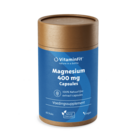
Magnesium plays an important role in muscle relaxation, which is why many endurance athletes regularly take magnesium supplements to prevent cramps and muscle pain. But magnesium does more than just relax muscles during physical exertion: the body reacts in a similar way when under stress. During stress, muscles often tense up intensely for long periods of time, which can lead to tension and discomfort. Magnesium helps to relax these tense muscles, thereby reducing the physical effects of stress.
Read our other article on the role of magnesium in pregnancy.
Stress has a negative impact on the fertility of both men and women. It can disrupt hormone balance and reduce the quality of sperm and eggs. Therefore, reducing stress is essential to increase the chances of pregnancy and support a healthy pregnancy.
Because stress increases the body's magnesium consumption, it is especially important to get enough magnesium, particularly during periods of high stress. Adequate magnesium levels not only support muscle relaxation, but also help the body cope better with stress, which ultimately contributes to better fertility and overall health. So make sure you get enough magnesium through magnesium-rich foods and/or supplements.
Conclusion
Fulfilling the desire to have children is something you do together, and the man's health also plays a major role in this. With the right diet, sufficient vitamins and minerals, and a healthy lifestyle, he can give his fertility a significant boost. Supplements can help to replenish any deficiencies and provide extra support for the body. In addition, consider getting a good night's sleep, exercising regularly and managing stress wisely. This will increase your chances of pregnancy and prepare you both optimally for a new, special phase in your lives!