5 min
5 minWe use the word “active” for a reason: you have to do something to achieve it. When we think of relaxation, we often think of physical rest: curling up on the sofa with a book, taking a warm bath or watching a series. But active relaxation is about getting yourself moving to regain your balance. It also works wonders if you are suffering from stress.
In this article, you will read
- What active relaxation is
- How it helps against stress
- Practical tips for exercise and relaxation
- Common stress factors and symptoms
- How nutrition and supplements can support you
Active relaxation
A common piece of advice from friends and family is to take it easy when you are busy. They mainly recommend relaxing activities, such as reading a book or watching a series. However, this does not work for everyone. In fact, it can be extra difficult for you to sit down “quietly” with a cup of tea when you have a thousand things going through your head and your to-do list for the day seems endless.
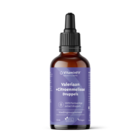
Being busy for long periods of time causes fatigue, which leads to stress. In the case of stress, a relaxing activity can indeed do you good. For example, try going to bed a little earlier. In addition to sleep, nutrition and exercise are very important for relaxing and regaining balance. Of course, your fatigue symptoms will not disappear immediately after a good night's sleep. Do you even have trouble falling asleep? Then you could look into medicinal plants that work for stress and sleep. Valerian root and lemon balm are good examples of this: they help with inner restlessness and contribute to a normal sleep pattern.
The basis for a good energy balance is, of course, your diet. After all, food can also affect your sleep. Exercise has also been proven to be effective in combating fatigue and stress. It helps to clear your head, but with the right movements, it can also relieve physical aches and pains caused by stress.
What is the best thing to do?
Endurance sports are particularly good. This could be a long walk or a brisk run. It is best to walk for at least an hour. During endurance sports, your body cannot produce cortisol, which is your stress hormone. Swimming is also a good idea: the calm water naturally calms you down and it is easy on your joints.
The biggest mistake you can make is to remove exercise from your to-do list when you are busy and your head is full. After a good workout, you will be much sharper and therefore more productive. It feels very contradictory to make time that you don't have, but you will notice that sufficient exercise will give you renewed energy. This brings us back to where we started this article: you first have to actively do something about it.
Stress factors
Work pressure, an imbalance between work and private life, worries about the future: these are factors that contribute to stress. And we all suffer from them at times. The result: you start to worry. “Am I doing everything right? ” 'How can I be a good employee and a good mother at the same time? ' 'What if I still lose my job as a result of the Corona crisis?
Worrying is the most well-known symptom of stress. But did you know that forgetfulness is also a sign of stress? When you are stressed, your hippocampus becomes overworked. The hippocampus plays an important role in storing information in your memory. Read here about 4 natural ways to reduce stress.
We are also familiar with physical symptoms. You may recognise some of them in yourself:
- Severe headaches
- A stiff neck and/or shoulders
- Tension in your stomach
- Back pain
- Fatigue
- Difficulty with bowel movements
- Teeth grinding
- Heartburn
- Palpitations
In times of stress, it is more important than ever to continue eating healthily. This is especially true if you are experiencing fatigue or difficulty with bowel movements. Unhealthy eating only makes these symptoms worse. If you find it difficult to get enough nutrients from your diet, you could also consider supplements such as a good multivitamin.