4 min
4 minVegan and vegetarian diets are becoming increasingly popular. Not only because they are beneficial to health, but also to the environment. However, with these diets, it is important that you get all the nutrients you need. Some nutrients are mainly found in animal products, which makes it more difficult for vegetarians and vegans.
In this article, you will read:
- Why vegan and vegetarian diets are becoming increasingly popular
- What the health benefits are
- Which nutrients require extra attention
- How to put together a complete plant-based diet
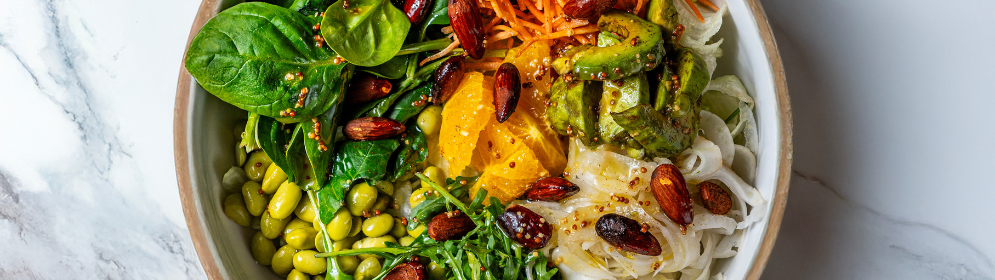
Why choose a plant-based diet?
There are various reasons why people switch to a plant-based or vegan diet. For many, reducing animal suffering is an important motivation. In addition, the impact on the environment and climate often plays a major role. The production of meat and dairy requires a lot of water and contributes to environmental problems such as deforestation, soil and water pollution, and greenhouse gas emissions. By choosing plant-based foods more often, you reduce your ecological footprint and make a direct contribution to a more sustainable future.
Is a plant-based diet healthier?
A plant-based diet can be healthy, provided it is well balanced. A plant-based diet rich in vegetables, fruit, whole grains, legumes, nuts and seeds contains a lot of fibre, antioxidants and healthy fats, all of which are important for your health.
However, because it excludes animal products, it is important to consciously supplement essential nutrients such as protein, iron, vitamin B12, calcium, omega-3 and zinc with plant-based alternatives or supplements. With the right adjustments, a plant-based diet contributes to a balanced nutrition and can even reduce the risk of chronic diseases.
Which nutrients are important to pay attention to?
Vitamin B12
Vitamin B12 is an essential nutrient involved in the formation of red blood cells and the functioning of the nervous system. Because this vitamin is found almost exclusively in animal products, supplementation is essential for vegans and sometimes also for vegetarians.
How do you get B12?
- Choose fortified products, such as plant-based milk, breakfast cereals and meat substitutes.
- Use a vitamin B12 supplement, preferably with the easily absorbable forms methylcobalamin or adenosylcobalamin.
- Also pay attention to your folate intake (vitamin B11), because folate works together with B12. Good sources are green leafy vegetables, legumes and whole grains.
Iron
Iron is essential for transporting oxygen in your blood. Plant-based iron (non-haem iron) is less easily absorbed than animal-based iron (haem iron), but you can significantly improve absorption with the right combinations.
Tips for getting enough iron:
- Eat iron-rich foods such as lentils, beans, tofu, quinoa, pumpkin seeds and dark green leafy vegetables.
- Combine these with vitamin C-rich foods such as peppers, citrus fruits, strawberries or broccoli. Vitamin C promotes iron absorption.
- If necessary, take an iron supplement if you find that you are still not getting enough. Make sure that the supplement contains vitamin C.
- Cook more often with a cast iron pan; this can increase your iron intake.
Calcium
Calcium is essential for strong bones and teeth. As a vegan, you do not consume dairy products, so you need to consciously choose calcium-rich plant-based alternatives.
Good sources of calcium:
- Fortified plant-based milk (e.g. almond, soya or oat milk)
- Green leafy vegetables such as kale, pak choi and broccoli
- Tofu, especially if prepared with calcium sulphate
- Sesame seeds, chia seeds, almonds and tahini
Omega-3 fatty acids
Omega-3 fatty acids are important for heart, brain and eye health. Fish contains the direct forms EPA and DHA, but plant-based foods mainly contain ALA, which your body converts less efficiently.
Plant-based sources of omega-3:
- Flaxseed (ground), chia seeds and walnuts
- Algae oil supplements – an excellent source of EPA and DHA for vegans
- Add a teaspoon of flaxseed or chia seeds to smoothies or oatmeal every day
Zinc
Zinc supports the immune system, skin health and metabolism. Zinc from plant-based foods is generally less well absorbed than zinc from animal sources. This is mainly due to the presence of phytates (or phytic acid), a substance that occurs naturally in legumes, grains, nuts and seeds. Phytates can bind to zinc in the intestines and thus reduce its absorption.
What can you do to improve zinc absorption?
- Soak, sprout or ferment legumes, grains and seeds: this reduces the phytic acid content.
- Eat sufficient zinc-rich plant-based products such as pumpkin seeds, cashews, chickpeas and oatmeal.
- Combine with proteins (e.g. tofu or tempeh): this can promote zinc absorption.
- Use fermented products such as sourdough bread or tempeh. Fermentation partially breaks down phytates.
Vitamin D
Vitamin D is an essential nutrient for a properly functioning immune system, strong bones and healthy muscles. It helps your body absorb calcium, which is essential for bone health.
If you follow a plant-based diet, it is important to pay extra attention to vitamin D, because plant-based foods naturally contain very little vitamin D. Since the most important natural source of vitamin D is sunlight, and in many regions (especially in autumn and winter) the sun's rays are insufficient, it is often recommended to take a supplement. You can also opt for fortified products, such as plant-based milk (e.g. soya or almond milk) to which vitamin D has been added.
Proteins
Proteins are essential for building and repairing muscles, providing energy and supporting a strong immune system. They are the building blocks of virtually all cells in the body, from skin and hair to enzymes and hormones.
Plant-based protein sources often do not contain all the essential amino acids in the right proportions, unlike animal proteins, which are considered complete. However, with sufficient variety and attention to protein quality, it is entirely possible to meet your protein requirements with a completely plant-based diet.
Good plant-based protein sources:
- Legumes, lentils, tempeh, tofu
- Quinoa, whole grains
- Nuts, seeds and meat substitutes
Smart combinations for a complete amino acid profile:
- Rice + beans
- Wholemeal bread + hummus
- Soy yoghurt + nuts
Practical tips to prevent deficiencies
In practice, however, many people find it challenging to consume all nutrients in the right proportions. Here are some practical tips to ensure you get all the nutrients you need:
- Eat a varied diet. A varied diet is the key to getting enough nutrients. Make sure you eat a mix of vegetables, fruit, whole grains, legumes, nuts and seeds every day, and combine protein sources for a complete amino acid profile. This reduces the risk of deficiencies and allows you to benefit from the wealth of vitamins, minerals and fibre that plant-based foods offer.
- Improve the absorption of plant-based iron. Combine iron-rich foods (such as lentils, quinoa, pumpkin seeds and spinach) with vitamin C-rich products such as peppers, oranges, strawberries or lemon juice to promote absorption.
- Read labels: Check whether your plant-based products are enriched with B12, calcium or vitamin D.
- Consider supplements for nutrients that are not or hardly present in plant-based foods, such as B12, D, omega-3 algae oil (EPA/DHA) and possibly iron or zinc.
- Have your blood values checked if you eat a plant-based diet and have doubts about your nutrition, especially if you experience fatigue or other complaints.
Conclusion
A plant-based diet can be extremely healthy and sustainable, but it does require conscious choices. By varying your diet in a smart way and supplementing where necessary, you can eat a completely plant-based diet as an adult without any deficiencies. Good for yourself, the animals and the planet.