5 min
5 minMany people start eating plant-based foods because they want to reduce their impact on the environment or because of animal welfare concerns. But more and more people are also recognising the health benefits of a plant-based diet for their own bodies.
Do you already eat a largely plant-based diet, but want to make the complete switch to a vegan diet? In this article, you can read how to take this step and what you need to pay attention to in order to get all the nutrients your body needs from your diet.
In this article, you will learn
- The benefits of plant-based eating
- The first steps towards a plant-based diet
- What you should not forget when following a plant-based diet
- Tips for getting enough nutrients
Benefits of plant-based eating
Before we move on to the concrete steps, let's first talk a little more about the benefits of plant-based eating.
Anyone who has visited the Milieu Centraal website knows that a plant-based diet is better for the environment than eating animal products such as meat, fish and dairy for a number of reasons:
- Meat production also causes much more greenhouse gas emissions than the production of plant-based foods.
- Meat production causes acidification of the soil and the air.
- The same applies to meat substitutes made from dairy products.
- Fishing and fish farming also have an impact on the environment. Many fish species are overfished, for example, and are at risk of extinction, according to Milieu Centraal. This impact is greater than the greenhouse gas emissions from fishing, but it is still harmful to the environment.
However, this is often not the only reason why people want to eat less or even no animal products at all. Many people talk about feeling bloated after eating meat and experiencing associated intestinal problems. The Nutrition Centre also warns that eating too much (red) meat poses health risks and that you should therefore eat meat in moderation. There are also people who do not eat animal dairy products because of lactose intolerance.
All in all, there are quite a few reasons to want to ban meat, and perhaps even all animal products, from your diet. But how do you go about it?
The first steps towards a plant-based diet
Switching to a plant-based diet can be difficult. You may miss certain animal products or think that you are not getting enough nutrients. Start with small steps: make vegetables the main part of your meals. For example, replace the cheese on your sandwich with a plant-based spread or the cow's milk in your coffee with oat milk. Start with small changes and build on them slowly.
Are you ready for the next step? Then slowly remove animal products from your diet, such as boiled eggs or cheese with your drinks. Replace them with plant-based alternatives so that you don't feel like you're missing out. Plant-based food should still be tasty!
What you should not forget when following a plant-based diet
Animal products contain important nutrients, such as protein, vitamin B12, omega-3 fatty acids, calcium and vitamin D. It is important to obtain these nutrients in other ways.
A vegan diet is often richer in magnesium, folic acid, vitamins C and E, and iron. Nevertheless, you should be careful not to develop any deficiencies. Here are some tips for getting the right nutrients:
- Proteins: to get enough protein, legumes and nuts are the best choice for the climate. They are also very healthy! Choose lentils and chickpeas, almonds and peanuts, for example.
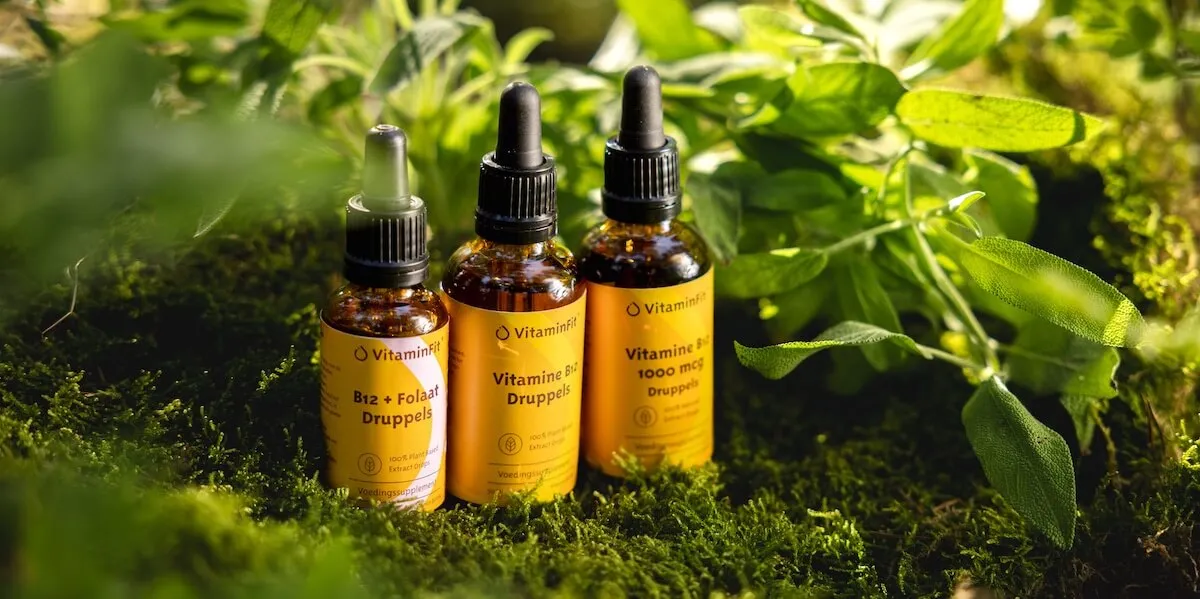
- Vitamin B12: because this vitamin is not or hardly found in plant-based foods, it is advisable to take a vitamin B12 supplement to avoid deficiencies. Make sure you take a plant-based vitamin B12 supplement.
- Omega-3 fatty acids: plant-based sources of omega-3 fatty acids include flaxseed, chia seeds and hemp seeds. Some margarines also contain omega-3 fatty acids, but this is often due to the addition of fish oil. Always check the packaging.
- Vitamin D: the most important source of vitamin D is sunlight. Because it is much more difficult to get enough vitamin D from the sun during the winter months, a vitamin D3 supplement is highly recommended. As with vitamin B12, make sure that the supplement contains a plant-based source of vitamin D, such as algae.
- Calcium: Chinese cabbage, kale, broccoli, white beans, almonds, tahini, dried figs and plant-based milk are all good sources of calcium.
Hopefully, these steps will help you get started. At VitaminFit, we are happy to help you on your way. That is why we have developed the Vegan Package especially for people on a plant-based diet: a combination of the most important nutrients you need on a plant-based diet. The pack contains a 100% plant-based multivitamin with vitamin D3, an entirely plant-based vitamin B12 and a vegan omega 3. There is also a special Vegan Kids Pack with these vitamins, tailored to the needs of children.