We all know pumpkins, but their seeds often go unnoticed. Pumpkin seeds are small, but oh so powerful! Not only are they a tasty snack or crunchy topping for your salad, they are also packed with nutrients that support your health. From strong bones to smooth digestion, these seeds deserve a permanent place in your daily diet! Discover the health benefits of pumpkin seeds in this article.
In this article, you will read:
- What pumpkin seeds are
- The health benefits of pumpkin seeds
- The best way to eat pumpkin seeds
- Why it is better to eat pumpkin seeds in powder form
What exactly are pumpkin seeds?
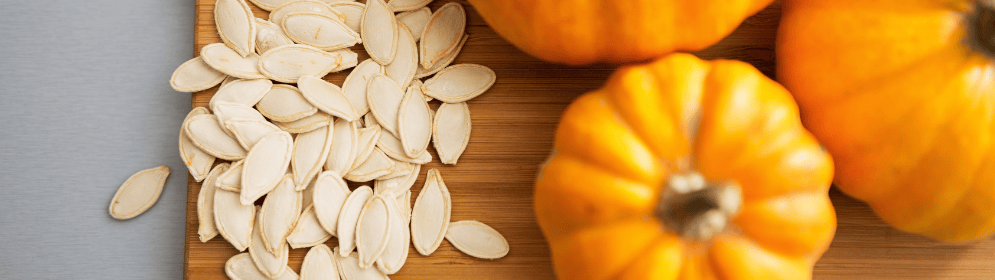
Pumpkin seeds are the edible seeds of the pumpkin (Cucurbita pepo) and have been used for centuries for their nutritional properties. In Latin America, these seeds are a popular snack and are often called “pepitas.” They contain a rich mix of plant proteins, fiber, healthy fats, and minerals such as zinc, magnesium, and iron. Because of their health benefits, they are also called a “superfood,” and for good reason!
The health benefits of pumpkin seeds
1. Essential minerals for the body
Pumpkin seeds are a natural source of zinc and magnesium. Zinc supports the functioning of the immune system and plays a role in fertility, while magnesium plays a role in more than 600 processes in your body, including muscle and nerve function, and helps maintain your energy levels.
2. Support for the heart and blood vessels
The unsaturated fats in pumpkin seeds, including omega-3 and omega-6 fatty acids, have a beneficial effect on cholesterol levels. They help maintain the balance between “good” and “bad” cholesterol, which is important for keeping your blood vessels supple and supporting a healthy heart. Magnesium, which is abundant in pumpkin seeds, also plays a role in this by contributing to a normal heart rate and blood pressure.
3. Good source of plant-based protein
Pumpkin seeds consist largely of high-quality plant protein, around 60%. This makes them ideal for vegetarians, vegans, and athletes who want to increase their protein intake. Protein is essential for building muscle tissue, but also for recovery after exercise and maintaining strong bones.
4. Rich in antioxidants
Pumpkin seeds contain powerful antioxidants such as vitamin E and carotenoids. These substances help protect your cells against harmful free radicals, which are released by stress, sunlight, or environmental influences. In addition, antioxidants contribute to healthy skin and can play a role in supporting your overall immune system.
5. Fiber for healthy digestion
Thanks to their fiber-rich structure, pumpkin seeds promote healthy and regular bowel movements. Fiber also serves as food for the good bacteria in your intestines, which contributes to a balanced intestinal flora. Healthy digestion is not only important for your stomach, but also for your energy and immunity.
6. Good for bladder health
Pumpkin seeds are also good for bladder and prostate health! Research shows that taking pumpkin seeds or products containing pumpkin seeds as supplements can help treat symptoms of an overactive bladder.
7. Can help maintain stable blood sugar levels
It is important to keep your blood sugar levels optimal because this affects virtually all processes in your body. Stable blood sugar levels keep your energy levels up and prevent peaks and dips in your mood and concentration. It supports your heart and blood vessels, helps maintain a healthy weight, and reduces the risk of insulin resistance or diabetes. A study in adults showed that people who ate meals containing 65 grams of pumpkin seeds had lower blood sugar levels after a carbohydrate-rich meal.
Pumpkin seed powder vs. whole seeds
Pumpkin seed powder is, in essence, ground pumpkin seeds. Pumpkin seed powder offers a number of advantages over whole pumpkin seeds. Grinding the seeds makes it easier for the body to absorb the nutrients. This can be particularly useful for people who have difficulty digesting whole seeds or who want to get the maximum nutritional value from the seeds. Powdered pumpkin seeds are also versatile: you can easily mix them into smoothies, oatmeal, or yogurt. Whole seeds, on the other hand, have a nice bite and are ideal as a snack or topping for salads and cereals.
How do you use pumpkin seeds?
Pumpkin seeds are incredibly versatile in the kitchen and easy to incorporate into your daily diet. Whole seeds can be eaten raw or roasted as a healthy snack, or added to salads, yogurt, or granola for a crunchy bite. Pumpkin seed powder can be mixed into smoothies, oatmeal, pancake batter, or soups for an extra nutritional boost. You can also use it in baking recipes such as bread or muffins, which is an easy way to get extra protein, fiber, and minerals.
Conclusion
Pumpkin seeds are real powerhouses: they provide valuable protein, healthy fats, fiber, minerals, and antioxidants. Whether you choose whole seeds or powder, both forms support a healthy diet and can be easily incorporated into your daily meals. By regularly adding pumpkin seeds to your diet, you give your body a natural boost and benefit from their versatile health benefits!