Your liver is one of the hardest working organs in your body. It filters waste products, breaks down fats, stores energy and plays a key role in metabolism. No wonder liver health is so important to your overall well-being! Fortunately, you can give your liver a helping hand with the right diet. In this article, you can read about which foods are known for their supportive role in liver health.
In this article, you will learn:
- Why your liver is important for your health
- What you may notice if your liver is overloaded
- The power of nutrition for your liver
- Which foods support your liver
- Tips on how to keep your liver healthy
What is the liver?
The liver is one of the most important organs in your body. It plays a major role in the daily detoxification of your body by filtering waste products from your blood. Your liver also converts nutrients into energy and stores vitamins and minerals that you will need later. In addition, the liver produces bile, which helps digest fats.
But that's not all: the liver also contributes to the production of proteins, including cholesterol and clotting factors, and plays an important role in hormonal balance by breaking down the body's own hormones. It is therefore very important for various health processes that your liver functions optimally.
How can you tell if your liver is overloaded?
When your liver is overworked, this can manifest itself in various ways. For example, the liver may have difficulty processing fats, which can cause bloating. Other possible symptoms include:
- Fatigue
- Digestive problems such as oily or difficult bowel movements
- Pale or dull skin
- Nausea
- Weight problems
- Reduced appetite
- Heavy feeling in the upper abdomen
Overload is often caused by a combination of factors, such as an unhealthy lifestyle, stress, insufficient sleep, medication use or a large amount of toxins from food and the environment. Because these signs are often vague, many people do not immediately recognise that their liver could use some support.
Why nutrition is important for your liver
Everything you eat and drink eventually passes through your digestive system and into your liver. There, nutrients are processed and waste products are broken down. A diet rich in healthy, natural products can support your liver in its daily work. Think of vegetables, fruit, wholemeal products and sufficient fluids. Limiting processed foods and excessive alcohol consumption is also essential to avoid putting unnecessary strain on your liver.
Foods for good liver health:
Green leafy vegetables: chlorophyll boost
Vegetables such as spinach, kale and endive are packed with chlorophyll. This natural green pigment helps your body eliminate waste products. Leafy vegetables also contain lots of fibre and antioxidants that contribute to healthy digestion and thus indirectly support your liver.
Cruciferous vegetables: broccoli, Brussels sprouts and cauliflower
Cruciferous vegetables contain substances that activate the liver enzymes involved in detoxification processes. By regularly including broccoli, cauliflower or Brussels sprouts in your diet, you give your liver an extra boost. An easy way to incorporate these into your diet is by roasting them or adding them to soups and salads.
Citrus fruits: vitamin C and antioxidants
Oranges, lemons and grapefruits are rich in vitamin C and antioxidants. These substances support your body in breaking down free radicals, which helps to protect cells. A glass of lukewarm water with lemon in the morning can also give you a fresh start to the day.
Garlic and onion
Garlic and onion contain sulphur compounds and antioxidants that can support your liver function. Not only do they add a lot of flavour to dishes, but they also make you less likely to reach for salt or ready-made seasonings. A win-win: tasty and healthy.
Turmeric
Turmeric, known from Indian cuisine, contains the substance curcumin. This is a powerful antioxidant that is often studied for its potential benefits for the liver and digestion. A pinch of turmeric in your soup, curry or even your smoothie can make a difference. Turmeric is also available in supplement form. Combine it with black pepper for better absorption.
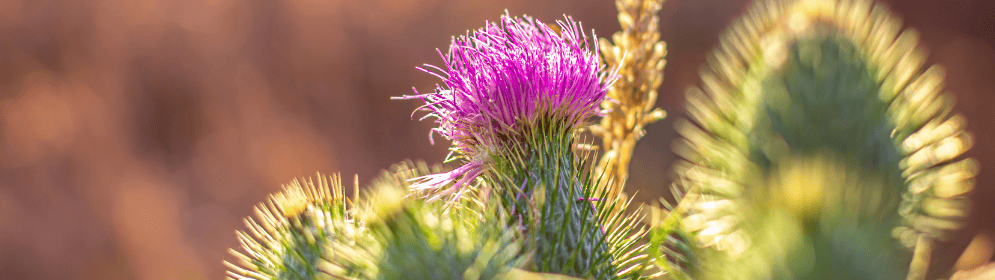
Milk thistle
Milk thistle is an herb that has been used for centuries to support the liver. It contains the active ingredient silymarin, an antioxidant that is widely researched for its role in liver health. You can find milk thistle as a tea or supplement. When taking supplements, always check the amount of silymarin they contain and make sure the oil is cold-pressed.
Celery: fresh and hydrating
Celery is rich in water, fibre and antioxidants. It helps your body stay hydrated and contains substances that are associated with supporting liver function. A green juice with celery or just a crunchy snack is not only refreshing, but also nutritious for your liver health.
Nuts and seeds: healthy fats
Walnuts, almonds, flaxseed, avocado and chia seeds are full of healthy fats, fibre and antioxidants. Healthy fats are important for the liver because they help with the absorption of fat-soluble vitamins and contribute to a balanced metabolism.
Adequate hydration: water as a basis
In addition to nutrition, drinking enough water is crucial for your liver health. Water helps flush out waste products and aids digestion. Try to drink 1.5 to 2 litres of water every day, possibly supplemented with herbal teas such as fennel, nettle or ginger tea. Green tea is also a good option for supporting your liver. Green tea is rich in polyphenols, which can have a positive effect on liver enzymes and the fat content in the liver.
Additional tips for a healthy liver
In addition to diet and drink, other lifestyle factors also play an important role in supporting your liver. Getting enough sleep gives your body the chance to recover and process waste products. Try to reduce stress through relaxation exercises, meditation or breathing techniques, as prolonged stress can affect your hormone balance and thus also your liver. Regular exercise also helps, not only for your fitness, but also to stimulate blood flow and metabolism. Finally, it is wise to be careful with medicines and chemicals, such as cleaning products or solvents, as these are broken down and processed by the liver.
Conclusion
Supporting your liver health is not about one “superfood”, but about a balanced diet. Fresh vegetables, fruit, herbs and healthy fats can do a lot together. Don't forget the importance of sufficient exercise, sleep and stress reduction. Ultimately, it's all about finding the right balance!