6 min
6 minCongratulations, you're pregnant! Naturally, you want the very best for your unborn child. Taking good care of yourself is the most important thing you can do at this stage, because if you take good care of yourself, you can also take better care of the baby growing inside you.
Pregnancy vitamins are essential for your health during pregnancy and even before that. Our experts have developed a Vitamin Guide especially for pregnant women. In this guide, we will discuss the most important vitamins and minerals, which ones are particularly important and why. Would you like to read along?
In this blog, you will read
- Why the right vitamins are important during pregnancy.
- Which vitamins and minerals are essential for you and your baby.
- How you can get these nutrients from food and supplements.
- Why multivitamins are useful during pregnancy

Pregnant – healthy nutrition during pregnancy
Your body has to work extra hard during pregnancy and could use some extra support. Pregnancy also means your body needs extra vitamins and minerals. Eating a healthy and varied diet provides you with many vitamins, but some vitamins need to be supplemented in order to get enough for yourself and for your baby's growth. Pregnancy vitamins are therefore necessary to help your baby develop optimally and to keep your body fit and healthy.
Which vitamins should you pay extra attention to during pregnancy?
1. Folic acid/folate (vitamin B11)
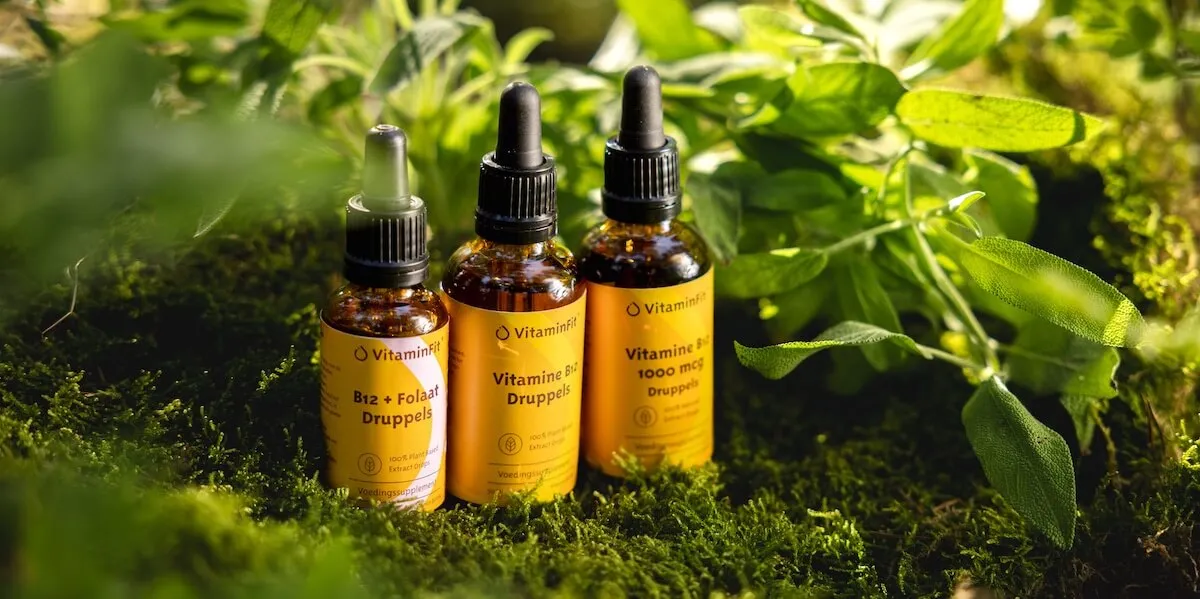
You are probably aware that folic acid is one of the most important vitamins when you are pregnant. But vitamin B11 (folic acid) is also recommended before pregnancy. Vitamin B11 is necessary for:
- the growth and proper functioning of your body
- the production of white and red blood cells
- the formation of the placenta and tissue growth during pregnancy
- reducing the risk of spina bifida, cleft lip and cleft palate in your baby
How much folic acid?
Because your body cannot produce folic acid itself, it is important to get enough through your diet, supplemented with a folic acid supplement. For women who want to become pregnant, the advice is to take 400 micrograms of extra folic acid. You can stop taking this after the tenth week of your pregnancy. You can also make sure you get vitamin B11 in your diet. Vitamin B11 is found in many green vegetables, bread, meat and dairy products. However, the amount is small, so supplementation is necessary.
2. Vitamin A
Vitamin A has numerous functions in the body. Some of these functions are:
- it is involved in the immune system
- it contributes to the development of cells and tissues, both for you and your baby
- it contributes to bone development and normal growth, both for you and your baby
During pregnancy, vitamin A requires special attention. An excess of vitamin A increases the risk of congenital abnormalities in your baby. However, a vitamin A deficiency leads to reduced immunity, skin problems and poorer dental health.
You need vitamin A when you are pregnant, but in a measured amount. Beta-carotene is the solution! Beta-carotene is converted into vitamin A in our body, but only in the amount that the body needs.
How much vitamin A?
During pregnancy, it is recommended that you consume 800 mcg of vitamin A per day. Vitamin A is mainly found in animal products such as meat, dairy and eggs. If you are vegetarian or vegan, you can also eat carrots, kale, spinach and endive as sources of vitamin A. These vegetables contain provitamin A (carotenoids). Taking a supplement ensures that you get enough. There are also plant-based supplements available for this.
3. Vitamin C
It is very important for pregnant women to get enough vitamin C:
- it stimulates the body's absorption of iron. A lack of iron can lead to anaemia, which is dangerous for you and your baby
- it is the vitamin that contributes to your immune system. If you stay healthy, your body can also take better care of the baby in your tummy
How much vitamin C?
The recommendation is to consume 85 micrograms of vitamin C per day. It is possible to get this from food. An orange contains about 66 micrograms of vitamin C. If this is not possible or if you are very nauseous and therefore not getting enough vitamin C, a vitamin C supplement is recommended.
4. Vitamin D
Vitamin D is also very important for your unborn baby during pregnancy:
- it stimulates the absorption of calcium, which ensures the development and maintenance of strong bones. You can imagine that this is useful for your baby, who is growing rapidly in your womb.
- Like vitamin C, it is an important immune-boosting vitamin.
- It contributes to the normal functioning of the immune system.
How much vitamin D?
Some groups of people need extra vitamin D, such as people with darker skin tones, but also pregnant women. Pregnant women need 10 micrograms of extra vitamin D per day, in the form of a supplement.
Bio Multivitamin Mama Capsules: All pregnancy vitamins in 1 capsule
For convenience, when you are pregnant, choose a multivitamin so that you do not have to take all the vitamins separately. In addition, a multivitamin also contains other important vitamins and minerals for good health.
Our Bio Multivitamin Mama Capsules have been specially developed and tailored for women who want to conceive, during pregnancy and while breastfeeding. With the right dose of folate, 100% plant-based! Read more about multivitamins during pregnancy here.