3 Min
3 MinAs a parent, you know how important it is to ensure that your child gets the right nutrients. Omega 3, which is found in fish, is one of them. Omega-3 fatty acids offer many health benefits and play a crucial role in the development of children's hearts, brains and eyesight.
Omega-3 fatty acids are abundant in fish. But what if your little one isn't a fan of fish? Don't worry! In this blog, we'll take a closer look at what you can do to ensure your child gets enough omega-3 without fish on the menu.
In this article, you will read
- What omega-3 is and why it is important
- How you can give your child enough omega-3 without fish
- Plant-based alternatives to fish
- Why algae oil is a good alternative to fish oil
What is omega-3?
Let's start with a brief explanation of omega-3. Omega-3 fatty acids are polyunsaturated fatty acids.
They are good fatty acids that our body needs. The best known are alpha-linolenic acid (ALA), eicosapentaenoic acid (EPA) and docosahexaenoic acid (DHA). ALA is plant-based, while EPA and DHA are usually extracted from fish.
Omega-3 offers many health benefits for the body.
Alternatives to fish
The only good alternative to fish is algae. Fish obtain their omega-3 by eating algae.
If you already consume enough omega-3 and want alternatives to mimic a fish dish, you can experiment with the following:
- Vegan fish substitutes
- Jackfruit
- Tofu
- Mushrooms
- Palm heart (the trunk of a young palm tree)
Fish oil supplement
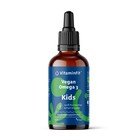
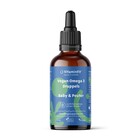
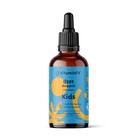
Omega-3 fish oil supplements are well known. Many omega-3 supplements obtain their omega-3 from fish oil. Unlike omega-3 from fish oil, at VitaminFit we obtain our omega-3 from plant-based algae.
The DHA and EPA extracted from fatty fish species comes from the algae that fish eat. This is also better for the environment, because why kill fish for their omega-3 when the algae they eat contains omega-3?
Omega-3 is very important for children's hearts, brains and eyesight. This omega-3 does not have to be given in the form of fish oil. So take a look at the plant-based options.
Plant-based omega-3
As mentioned earlier, omega-3 consists mainly (and most importantly) of three types: ALA, EPA and DHA. EPA and DHA are particularly important for health. EPA and DHA are not found in plant sources except algae. The body can convert ALA into DHA and EPA, but only in small amounts. That is why a supplement is often recommended.
ALA is found in the following plant-based products:
- Algae oil
- Hemp seeds
- Perilla oil
- Nuts
- Chia seeds
- Rapeseed oil
- Green vegetables