3 min
3 minIf your child has a tummy ache and is feeling unwell, you will do anything to make them feel better. But perhaps you would rather not use paracetamol straight away – especially if your child does not have a fever – and would prefer to try natural remedies first. Of course, it all depends on the cause and the symptoms, which is why you can read more about this in this blog.
In this article, you will read
- What the causes of stomach ache in children can be
- What you can do in case of constipation
- How to recognise and prevent a bladder infection
- Tips for a healthy lifestyle for your children

Causes of abdominal pain in your child
Abdominal pain in children can have various causes. It is often due to constipation. The stool is then hard and irregular(less than 3 times a week). Abdominal pain is the logical consequence. But how does a child become constipated? There can be several causes:
- Not drinking enough (dehydration);
- Not enough exercise;
- Not enough fibre in the diet;
- Not enough patience on the toilet;
- Delaying going to the toilet.
A change in eating habits, especially in the baby phase, can also cause abdominal pain in your child. But, just like adults, children can also experience abdominal pain due to tension or stress. In the latter case, a warm hot water bottle and lots of cuddles can sometimes work wonders to help your child relax and make the abdominal pain disappear. However, if it happens more often, it is important to talk to your child to find out what is bothering them.
It is important to keep an eye on your child's stomach ache. Pay particular attention to any fever, vomiting or other signs of a bacterial or viral infection. We cannot comment on these situations, nor can we give advice on the use of natural remedies in children.
What to do in case of constipation
The causes actually point to the solution: make sure your child eats or continues to eat a healthy, fibre-rich diet. This means lots of fruit, vegetables and wholemeal products. And above all, make sure your child drinks enough. When constipated, stools are hard, and moisture makes them softer and more supple. Regular exercise also helps. So let your child play and move around, especially after meals.
There are dietary supplements that support a good fluid balance, among other things. The minerals potassium, sodium and chloride are particularly well known for this. But be careful: sodium and chloride in particular are minerals that young children (under the age of 9) should not have too much of. The kidneys of babies and children cannot yet handle much salt (sodium and chloride). Children get enough potassium from their diet by eating fruit and vegetables.
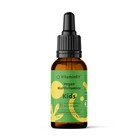
Our 100% plant-based Multivitamin Kids drops contain chicory oil extract. Not only does chicory contain vitamins A and B6 and the minerals iron, calcium and magnesium, but it can also contribute positively to digestion in children. In addition to chicory, our multivitamin for children also contains lemon balm, which is good for the stomach and intestines. The Multivitamin Kids drops do not contain sodium, chloride or potassium.
Causes of cystitis in your child
Not drinking enough can cause cystitis, but so can not completely emptying the bladder, which leads to blockages. Drinking enough is very important and, in the case of mild cystitis, this may be enough to remedy the inflammation. Unfortunately, however, antibiotics are often necessary.
Girls are five times more likely to suffer from cystitis than boys. It can be difficult to detect cystitis in small children. Symptoms in babies can include fever, drinking too little and smelly urine. When children are old enough to indicate pain, it is somewhat easier to recognise a bladder infection. Children can then indicate that they are experiencing pain when urinating, need to urinate frequently and/or have abdominal pain.
Preventing a bladder infection
Has your child had a bladder infection before? You can help prevent it happening again by helping your child to get into the habit of drinking enough fluids, urinating properly and wiping from front to back after urinating. You can also encourage your child to go to the toilet at least every 3-4 hours.
Would you like more tips for a healthy life for your children and yourself? Sign up for our newsletter at the bottom of this page. In it, we give you tips on common health complaints, suggest healthy recipes and more for a healthy and happy life. Because, at VitaminFit, we believe that a healthy life is a happy life.