5 min
5 minDo you often feel tired and exhausted? Fatigue can have various causes, including stress. A healthy and varied diet plays an important role in supporting your energy levels. In this blog, we share natural tips to boost your energy and help you feel fit again.
In this article, you will read
How stress causes fatigue and muscle pain.
- Tips to reduce stress and boost your energy levels.
- Why iron is important for your energy levels.
- Which vitamins and minerals help combat fatigue.
Stress causes fatigue
Stress costs your body a lot of energy. This is because the body's stress response aims to keep you in a state of readiness. In other words, your body is not given the opportunity to relax. Fatigue is therefore a logical consequence.
Stress is currently the main cause of fatigue. And that is not surprising, given what is happening in the world at the moment. In recent months, people have been changing jobs more often due to the coronavirus crisis, children have been out of their childcare or school routine and are just getting back into it now that the summer holidays are starting again. This creates imbalance and often stress. And that costs you a lot of energy.
Tips for combating stress
Coming back to the summer holidays: they are, of course, the perfect time to reduce your stress levels. Being free and away from your work environment, being able to be outside (preferably in the sun): these are important ingredients for relaxation. If you are staying at home during the summer holidays, it is also important to make your environment as stress-free as possible. A few tips:
1. Literally put your work away
As soon as your summer holiday begins, put your work laptop in a cupboard. And by that we mean a locked cupboard where you can't see it and don't need to access it on a daily basis. The same goes for your work phone, mouse, work bag, monitor, laptop charger: anything that reminds you of work. It's important to avoid triggers that can cause you stress. And let's be honest: work is often a trigger for stress.
2. Adjust your morning routine during the holidays
Especially if you are spending your summer holidays at home or nearby, it is important to create a real holiday vibe for you and your family. So see where you can do things differently than you do on normal (working) days: get 8 hours of sleep, eat a leisurely breakfast in the garden with the children and spend lots of time outdoors.
Your rhythm will probably change automatically because you are on holiday, but look in particular at the small tweaks you can make shortly after getting up. How you start your day is very decisive for your energy levels for the rest of the day. Drinking two glasses of water immediately after getting up, taking a cold shower and drinking an energy juice will help you to have more natural energy.
3. Get started with yoga or sport
Rest alone will probably quickly relieve your fatigue, but you also run the risk of becoming lazy. Not that there's anything wrong with that – hello, you're on holiday after all – but it won't immediately give you more energy. So yes, a little exercise is part of it, even on holiday.
For example, try yoga. Why yoga specifically? Energy (“prana” in yoga language) is a fundamental concept in yoga. Many yoga exercises aim to generate more energy, then control this energy and direct it to areas of the body where you want it. In addition, yoga involves a lot of stretching and lengthening of your muscles and is known for its positive effect on the mind. Yoga can therefore help with stress and specific fatigue complaints such as tired legs or muscle pain in your neck and shoulders.
Iron is important for fatigue
In addition to stress, a lack of proper nutrients is a cause of fatigue and lack of energy. A well-known nutrient that is important for your energy level is iron. It helps reduce tiredness and fatigue. Your body needs it to produce energy in your cells.
In addition to stress, a deficiency of essential nutrients can also lead to fatigue and a lack of energy. One of the most important nutrients for this is iron. Iron plays a crucial role in reducing fatigue and is indispensable for energy production in your cells.
Getting enough iron is therefore important for your energy levels. Iron is found in large quantities in meat and fish: products that many people are eating less and less. Fortunately, you can also get iron from plant sources: bread, wholemeal products, legumes, nuts and dark green vegetables such as spinach, purslane, pak choi, endive and Swiss chard.
Other vitamins and minerals that help with fatigue
Vitamin C
Vitamin C plays an important role in reducing fatigue because it is necessary for the production of energy in the body. It also helps improve iron absorption, which is essential for healthy energy levels. A glass of freshly squeezed orange juice or a smoothie with strawberries and blueberries can be a delicious and healthy way to start your day with enough vitamin C.
B vitamins
B vitamins are especially important for energy production because they help burn carbohydrates from your diet. B vitamins, such as B1, B2, B3, B6, B9 and B12, are mainly found in animal products such as dairy, eggs, meat and fish. Some plant-based products also contain B vitamins, such as certain green vegetables and whole grains.
Magnesium
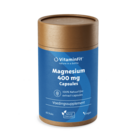
Magnesium is essential for energy production in the body. It plays a dual role: it helps reduce tiredness and fatigue and contributes to a clear mind. Magnesium is found in foods such as nuts, whole grain products, vegetables and dairy products.