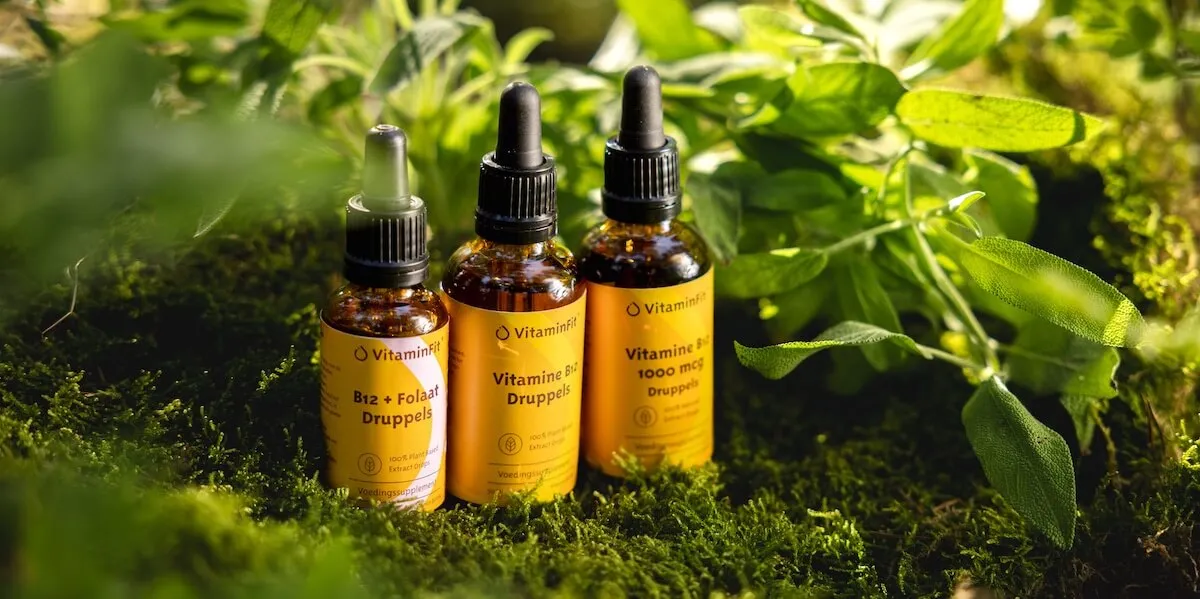
When we think of skincare, we tend to think of creams, serums and masks. But healthy, radiant skin doesn't start on the surface: it starts from within. More and more research shows that certain nutrients play an important role in supporting skin structure, combating ageing and reducing inflammation. In this blog, you can read about how nutrition and supplements can help your skin, and which ones are truly backed by science.
In this article, you will read:
- Why skin health from within is important
- Which nutrients play a role
- What science says
- When supplements are a valuable addition
How does skin health from within work?
The skin is the body's largest organ and plays a crucial role as a barrier against the outside world. Every day, the skin is exposed to internal and external influences such as UV radiation, air pollution, stress and hormonal fluctuations. This leads to the formation of free radicals; unstable molecules that can damage skin cells, collagen and elastin.
As we age, natural collagen production also decreases, causing the skin to lose its firmness and elasticity. In addition, inflammatory processes, often subtle and chronic, can contribute to skin ageing and sensitivity. To counteract these processes and keep the skin healthy, the body needs sufficient, and the right, nutrients.
Important nutrients for the skin
Certain vitamins and fatty acids are essential for healthy, radiant skin:
Vitamin C: Vitamin C is essential for the production of collagen, the protein that keeps the skin firm, elastic and resilient. It also acts as a powerful antioxidant that helps neutralise free radicals and limit damage from sunlight.
Omega-3 fatty acids: Omega-3 fatty acids, particularly EPA and DHA from fish oil or algae, are known for their anti-inflammatory properties. They strengthen the skin barrier, retain moisture and soothe dry or irritated skin. They can also help to calm sensitive or problem-prone skin types.
Zinc: Zinc is a mineral that is essential for skin repair, wound healing and supporting the immune system. It plays an important role in balancing inflammatory reactions in the skin and is therefore also important for blemishes or acne.
Vitamin E: Vitamin E is a fat-soluble antioxidant that protects the skin against harmful external influences, such as air pollution and UV radiation. In combination with vitamin C, it works even more powerfully, as both vitamins enhance each other's antioxidant effect.
Biotin: Biotin, also known as vitamin B8, is often associated with the condition of the skin, hair and nails. It is important for overall skin health and helps build and maintain skin cells.
Probiotics can also play a role in skin health. Healthy gut flora is directly connected to the skin via the so-called gut-skin axis. Disruptions in the microbiome can manifest themselves in skin problems such as eczema, acne or rosacea. By supporting balanced gut flora, probiotics can help reduce inflammation and calm the skin from within.
Protection against UV radiation
Although sunscreen remains indispensable as external protection against the sun, your diet also plays an important role in protecting your skin against UV damage, such as pigmentation spots, skin ageing and dehydration. Antioxidants such as vitamin C and vitamin E help neutralise free radicals caused by exposure to sunlight. Beta-carotene, a precursor of vitamin A found in carrots and sweet potatoes, for example, can provide extra protection for the skin from within by increasing its natural resistance to UV radiation. Lycopene from tomatoes is also known for its sun-protective properties.
What does science say?
In recent years, more and more studies have been published that substantiate the effects of supplements on skin health. For example, research shows that supplementation with vitamin C can stimulate collagen production and improve skin elasticity. A placebo-controlled study from 2015 even showed that daily intake of collagen peptides led to a measurable reduction in wrinkle depth after eight weeks.
Omega-3 fatty acids have also been well researched: supplementation with EPA and DHA has been shown in various studies to reduce inflammatory processes in the skin, with positive effects on conditions such as eczema and acne.
Furthermore, zinc has been shown to be effective in treating acne in several randomised studies, particularly in people with mild to moderate forms. A meta-analysis of controlled studies shows that zinc supplementation can help reduce inflammatory symptoms in acne.
More and more studies are also showing that certain nutrients actually help protect the skin against damage from UV radiation. For example, a review study published in The American Journal of Clinical Nutrition shows that vitamins C and E work synergistically as antioxidants and can together help reduce UV-induced redness and inflammation of the skin.
Beta-carotene, a carotenoid that is converted into vitamin A in the body, has also been shown to have a protective effect in studies. Daily supplementation for at least 10 weeks can reduce the skin's sensitivity to sunburn.
Lycopene, a powerful antioxidant found in tomatoes, has also been studied. Research showed that people who consumed tomato puree (rich in lycopene) for 12 weeks showed less DNA damage and redness after exposure to UV light than the control group.
Although these nutrients are not a substitute for sunscreen, regular intake through food or supplements can, according to science, contribute to better protection of the skin against oxidative stress and premature skin ageing. The effectiveness is greatest with consistent use over a longer period of time.
Food versus supplements
Although supplements can be a convenient way to replenish deficiencies, a well-balanced diet remains the basis for healthy skin. Vegetables, fruit, whole grains, nuts, seeds and healthy fats not only provide vitamins and minerals, but also fibre, phytochemicals and other bioactive substances that work together to keep the body (and skin) in balance.
Nevertheless, there are situations in which supplements can be useful. Consider:
- Deficiencies identified through blood tests or reduced absorption, for example due to medication.
- Stressful periods in which nutritional intake is reduced or requirements are increased.
- Chronic skin conditions where extra support is desired.
- A vegan diet, where certain nutrients (such as vitamin B12 and omega-3) are more difficult to obtain through food.
In these cases, supplements can be a valuable addition, provided they are well chosen and tailored to individual needs.
Conclusion: healthy skin starts from within
Radiant skin doesn't just come from a jar, but also from within. The real basis of skin health is what you eat and absorb. Supplements such as vitamin C, zinc, omega-3 fatty acids and vitamin E can contribute to a healthier skin structure, less inflammation and slower skin ageing. The key is balance: good nutrition as a basis, and supplements as a targeted addition.
However, it is important to note that not every supplement has the same effect on everyone. Factors such as genetics, gut health, existing nutritional status, stress and hormone balance can all influence the effectiveness of supplementation. A supplement may therefore produce visible results for one person, while making less of a difference for another. That is why it is important not to view supplements as a miracle cure, but as a possible support within a broader healthy lifestyle.
For skin problems that do not improve with nutrition or supplementation, it is wise to consult a doctor or dermatologist. Consultation is also important when using medication or during pregnancy.