3 min
3 minAshwagandha is one of the best-known herbs in Ayurvedic medicine and is praised for its calming and strengthening properties. More and more people are discovering this natural remedy for reducing stress, improving sleep and enhancing their general well-being. However, the use of ashwagandha sometimes raises questions: is it safe? What side effects can you experience? And in which situations is it better not to use it? In this article, you will read everything you need to know to use ashwagandha responsibly.
In this article, you will read
- What ashwagandha is and why it is so popular.
- How Ashwagandha works as an adaptogen and what benefits it offers.
- Which form of Ashwagandha is best for you.
- What scientific research says about the effectiveness of Ashwagandha.
- Whether Ashwagandha is safe and how you can recognise quality products.
- When it is better not to use Ashwagandha and what side effects are possible.

What is Ashwagandha
Ashwagandha (Scientific name: Withania somnifera) is an herb that has been used for centuries in traditional Indian medicine, also known as Ayurveda. It is known as an adaptogen, which means that it helps the body adapt to stressful situations and supports overall health. Ashwagandha is often praised for its calming effects on both the mind and body. It is used to reduce anxiety, improve sleep, increase energy and strengthen the immune system. The main active compounds in ashwagandha are withanolides, which are responsible for many of its health benefits.
What is an adaptogen?
Ashwagandha is an adaptogen, which means it helps you cope better with stress and keep your body in balance. It regulates stress hormones such as cortisol, so it can calm you down when you are stressed and give you energy when you feel tired. It adapts to your body's needs. In addition, ashwagandha helps you cope better with mental and physical stress, allowing you to develop more resilience and improve your overall well-being.
Which form is best?
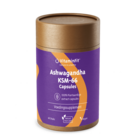
If you want to use ashwagandha, it is important to choose the right form for the best results. Ashwagandha KSM-66 is one of the most recommended varieties. It is a patented extract with a high concentration of active substances, such as withanolides, which are easily absorbed by the body.
KSM-66 is often chosen to reduce stress, improve sleep and support energy and mental clarity. This form of ashwagandha has been well researched and is available in supplement form, making it an excellent choice for those who want to experience the benefits of ashwagandha.
What do studies say?
In one study1, 130 adults with stress (aged between 20 and 55) took a daily capsule of ashwagandha extract (300 mg) or a placebo for 90 days. The result was that those who used Ashwagandha scored better on memory and stress measurements, had lower cortisol levels (which is related to stress), and slept better. They also felt happier and had improved overall well-being. Ashwagandha was well tolerated and no side effects were reported. Conclusion: This study shows that using Ashwagandha can reduce stress, improve sleep, and promote memory and well-being, without any negative side effects.
In another 60-day study2, 60 adults were given either a placebo or 240 mg of ashwagandha extract daily. The results showed that ashwagandha significantly reduced anxiety and stress and lowered the stress hormone cortisol. In men, testosterone also increased slightly. The study suggests that ashwagandha works by regulating the stress system in your body (but more research is needed to confirm this).
Is ashwagandha safe?
Many studies show that ashwagandha is safe when used within the recommended dosages, especially in the short term. However, it is important to choose quality products from reliable sources. Low-quality products can cause negative side effects due to contaminants or incorrect dosages, for example.
When should you avoid ashwagandha?
Although Ashwagandha is safe for most people, there are situations in which it is better not to use it:
- Allergies: do not use Ashwagandha if you are allergic to the herb.
- Pregnancy or breastfeeding: there is insufficient research on safety during these periods.
- Organ transplants: Ashwagandha can activate the immune system, which can pose risks.
- Hyperthyroidism: People with an overactive thyroid are advised not to use Ashwagandha, as it can affect thyroid function.
- Severeliver disease: Ashwagandha may put additional strain on existing liver conditions.
If you have any medical conditions or are taking medication, it is always wise to consult a doctor before using Ashwagandha.
Possible side effects
The negative stories about Ashwagandha usually concern the use of high doses, low-quality products or situations in which the herb is used despite contraindications. When you choose a safe product and the correct dosage, serious side effects are rare.
Some people experience mild side effects, such as:
- Drowsiness
- Fatigue
- A heavy feeling in the head
These effects vary from person to person and are often related to dosage and individual sensitivity.
Conclusion
Ashwagandha is a powerful and versatile herb that can help reduce stress, improve sleep and enhance your overall well-being. With proven benefits and few side effects, it is a safe choice for most people, as long as you choose a quality product and use it correctly. However, it is important to note that ashwagandha is not suitable for everyone, especially people with certain health conditions or pregnant women. Always follow the recommended dosages and consult a doctor if you have any doubts.